
context collapse & the space of appearance
How to Do Nothing // Slow Read // week 7 Restoring Grounds for Thoughts


Good day, folks!
I am going to be honest, I am completely out of sorts right now. A week ago, we were planning for a blizzard that dropped a lot of snow and resulted in all my classes being canceled. Which could have been nice if I had known ahead of time and could have settled into the time off. But the nature of nature means that we were frequently waiting for last-minute notifications, some of them surprising. I feel like I have been on call and not productive at all. (I mean, creatively productive for myself). I could have dabbled in crafts, finished a book, organized my room - all things I want to do, but I felt like I was stalled, waiting for something to happen. It was a bad feeling and one I will continue to think about. I am curious about how certain situations turn on or off attention and how we can understand and then use that information.

Better weather is ahead - both meteorologically and psychologically.
This is the penultimate post on our slow read, How to Do Nothing. This week’s chapter defined context collapse and proposed strategies of “spaces of appearance.” I feel like, at this point in the book, the message is beginning to echo itself, and in order to get real value from the text, we must apply the ideas to our real lives.
week 7/chapter 6
Restoring Grounds For Thought
Questions
How does your neighborhood/community communicate? Is it reliable? What pros and cons have you noticed?
Have you noticed context collapse while online? How do you react? Do you have specific examples you remember?
How can you really listen to a place?
Do you have opportunities to retreat with others in community? To be in a space where extended conversation and lively debate can happen? What does it look like?
What can you replace the attention economy with (and fall in love with)?
Activities
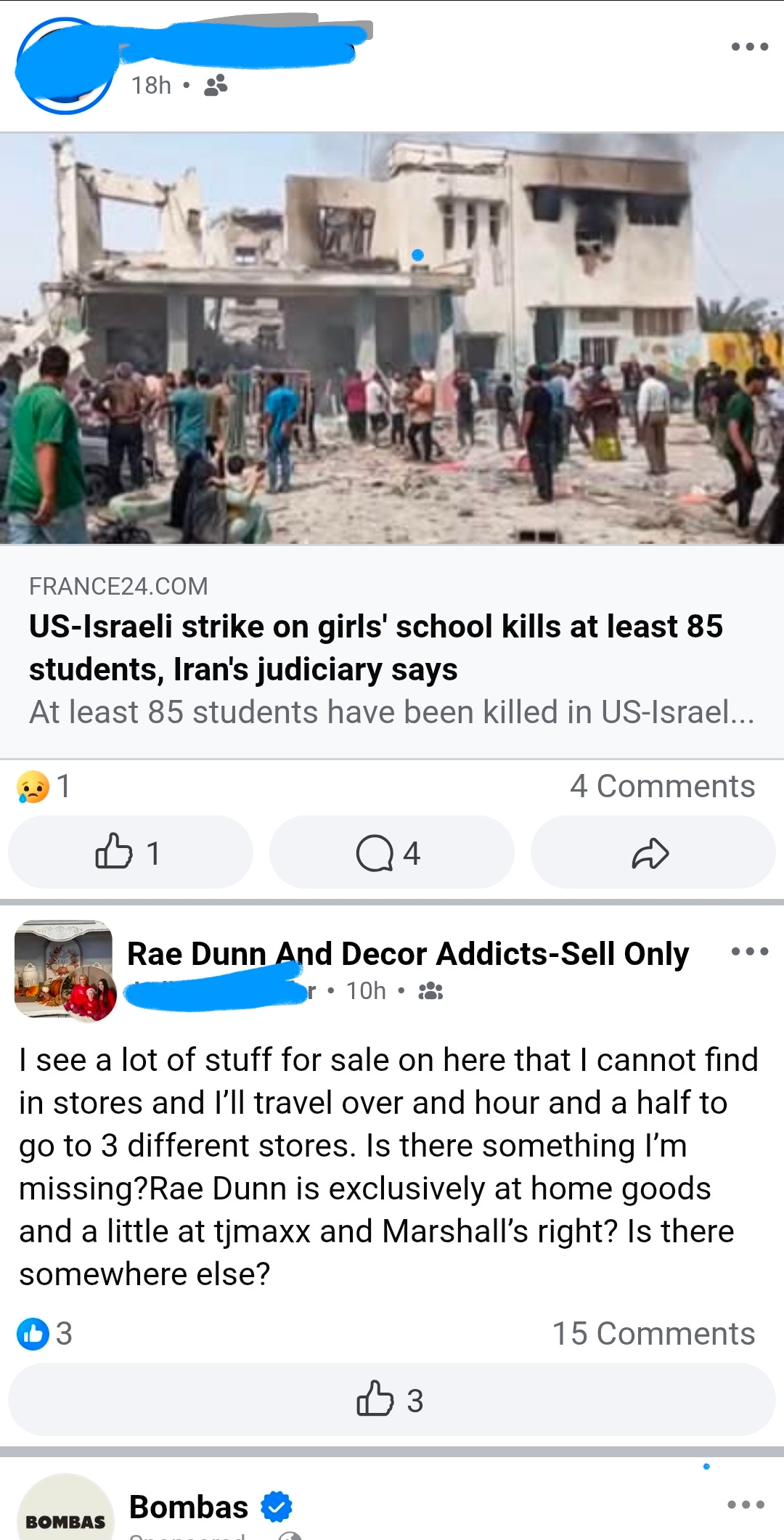
Scroll through your social media and find and record examples of context collapse. I am collecting screenshots. This is something we know happens, but it is affirming and enlightening to stop, notice it, and label it for what it is.
Spend time researching in the library and actively compare it to researching online. In what ways is it more or less effective? What surprises/context did you notice? (This is just an excuse to enjoy browsing the stacks and seeing what you happen upon.)
Research local internets or try one of the community-run social media sites listed in the book.
List the parks (local, state, federal) in your area and find out how they were preserved and who is doing that work today. Consider joining one or all of the groups so you can stay abreast of current threats and initiatives.
Create a robust plan, really, for restoring context in your life. Make a specific list of activities or orgs you can explore. Schedule at least one.
Check out The School of Poetic Computation and consider taking a class
Other Voices
No Sense of Place: The Impact of Electronic Media on Social Behavior by Joshua Meyrowitz
“Social Media, Immediacy and the Time for Democracy” by Veronica Barassi
NeuroTribes: The Legacy of Autism and the Future of Neurodiversity by Steve Silberman
Great American City: Chicago and the Enduring Neighborhood Effect by Robert J. Sampson
Staying With the Trouble: Making Kin in the Chthulucene by Donna J. Haraway
Lexicon
Context collapse
Contextual monoculture
Restoration of context
Spaces of appearance
Plural interplay
Notes
Odell defines context collapse as good for engagement and business but not for people. The flattening of space (physical and temporal) makes everything equal in the attentional demand and thus speaks to the lowest common denominator.
There is little space for nuance, argument, or debate.
The audience is generalized, and we can not change our minds as easily as in real life. Our online presence becomes a brand and attends to brand pillars like internal coherence and consistency over time.
Mark Zuckerberg, “You have one identity.”
“...instantaneity flattens past, present, and future into a constant amnesiac present.”
There is no order, and we are in constant alarm
Barassi, three challenges for activists using social media
1. Information overload - easy to get lost in the noise - online censorship is created by excessive banality
2. Immediacy shuts down “elaboration” - discussion
3. Social media ties are weak and based on shared reactions, NOT shared understanding
Relationships and communication need incubation time
Our understanding of context is a survival skill
Restore context
So—— how else can we connect and create social networks? Examples to investigate:
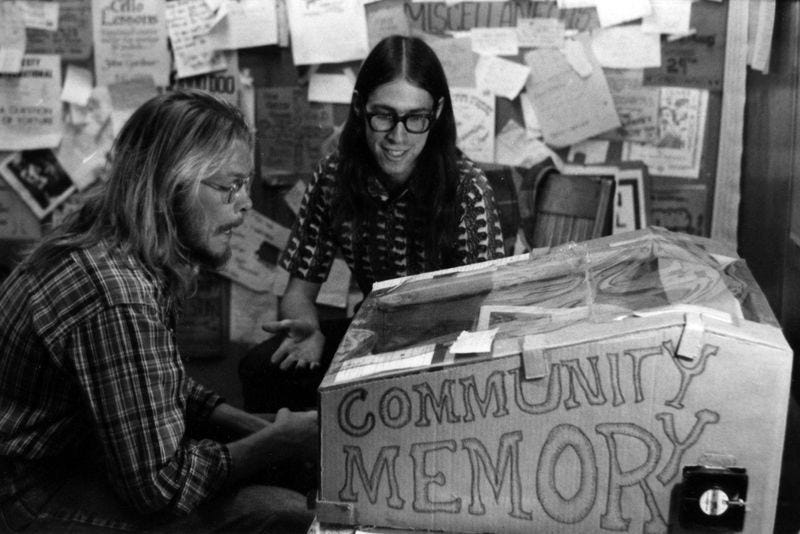
Community Memory, a bulletin board system in Berkeley
NextDoor
Scuttlebutt (Patchwork)
Mastadon
Signal
Local internets
Arendt’s idea of spaces of appearance -” a collection of people who speak and act meaningfully together” and encounter small and concentrated enough that the plurality of its actions is un-collapsed
Power is increased by plurality - difference generates power
Physical debates strengthen, don’t shut down conversation like online
Parks as spaces of resistance - many had to be fought for and defended
In parks, we can realize that our fates are linked - both human and animal
We need to fall in love with something else - stop thinking about the attention economy and how to beat it - replace it with a new love
This idea resonates, but speaks of privilege, I think
The context element of this chapter is what jumped out for me, which you focus on in this week's newsletter as well along with other things. Context (or lack thereof) especially seemed important with this weekend's events and the bombing of Iran and the killing of the nation's tyrannical leader. Context is missing because the responses seemed to be conflated between either outrage, support (because he was a tyrannical and terrible), and sadness. All of these feelings make sense and are valid, but also deeper context and understanding of the history of Iran and imperialist actions that have affected the nation are also not present, not accessible, not part of the story, for the most part, and seem quite relevant and important. In this sense, the responses to these current events seem connected with the term of "amnesiac present" that was used in this reading.
I also found it your note, at the end of the newsletter, about privilege important and interesting too. I'd love to see more discussion around that.
My alarm bells also went off at the beginning of the chapter with the reference to the telling of a story being different for each audience and the "public" nature of social media and the internet perhaps taking that way, although, I also think social media has amplified that. My alarm bells were in response to a sort of nostalgia for a time when one could tell the story differently based on the audience. This is because of the ways the audience can influence the telling and can hide potentially dangerous aspects of a story. I do not want stories that heighten and celebrate sexism, homophobia, sexual violence, and racism in the shadows and in circles that celebrate those actions. I'm struggling to articulate with the best words what I want to say here, but the very opening of the chapter did make me feel unsettled.
The strength of the chapter for me lay in the reminder of the importance of thought and deliberation, from the ability to incubate space and time (and herein may be the privilege piece you are teasing out at the end). The work of resisting the attention economy must be connected to the work of resistance and liberation more broadly because under the weight of late-stage capitalism there may be many (likely are) seeking and wanting to incubate time and space, but unable to do so because of the requirements necessary to maintain shelter, food, clothing, etc.
Excellent points! I had some of the same thoughts about telling different stories to different people and the quest for authenticity (being your true self in most situations). I feel, as I am older, my "self" is less interested in attuning itself to others to comply or accommodate. However, I do think I can understand what she is saying about amplifying different parts of yourself/yourstory when you are with different people. I talk differently to my kids than to my students, than to job prospects, than to elderly folks. Maybe it is a bit of code switching? Nothing essential about me has changed, but my language is different.
And yes to all you said on context. We seem to have no time for it at all. Swipe to the next thing.