
Doing things badly
embracing an amateur ethos

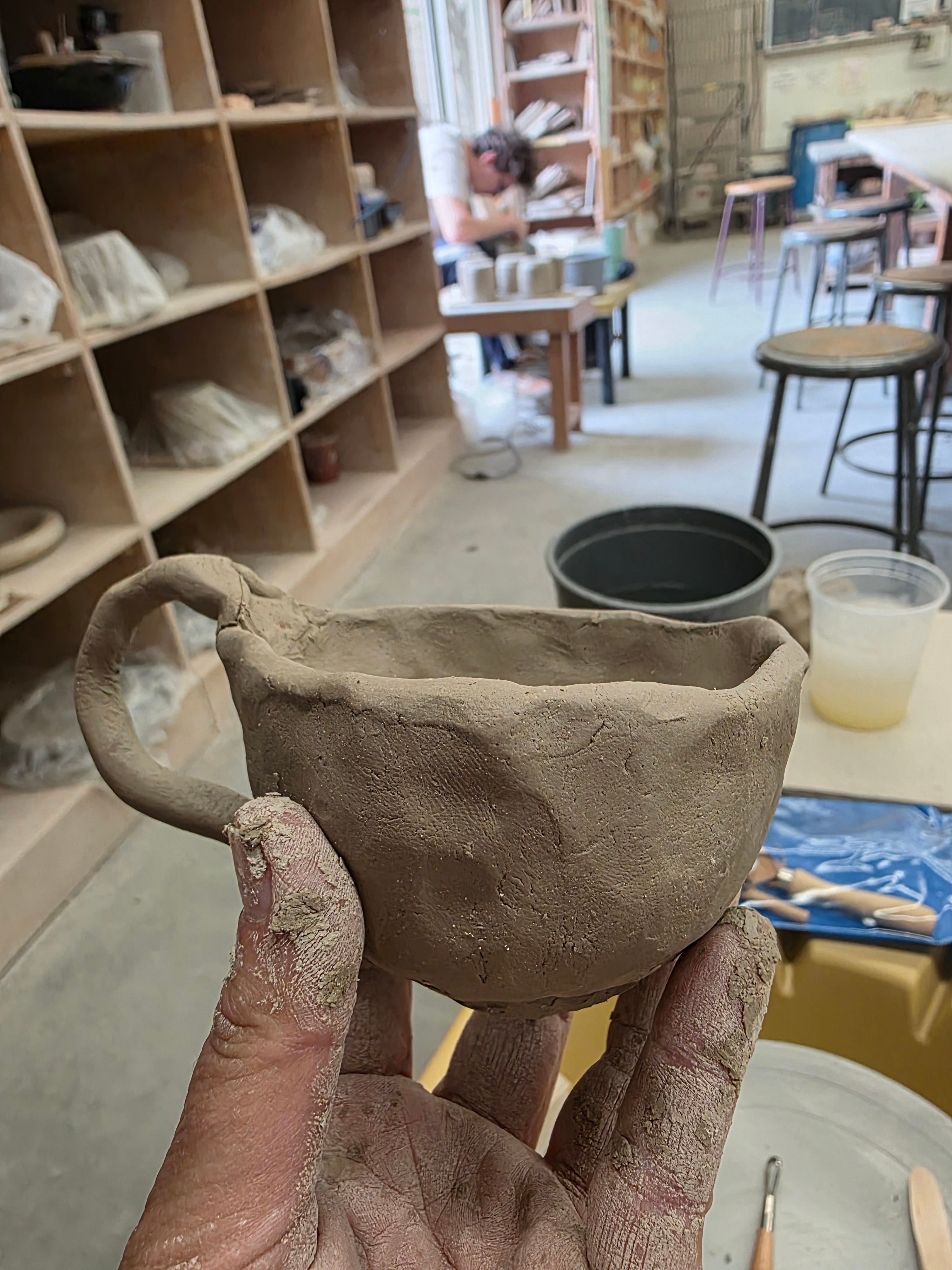
It is Monday night, and I head into a pottery class I am taking with my two sons. One is a talented potter and the other is highly proficient. They easily center chunks of cold clay onto fast-spinning wheels and churn out vessels, bowls, and even teapots. I, on the other hand, am bad. I eventually learn to pretty-much center the clay but vessel after vessel grows thin and petals out like a cala lily before folding in on itself. When I start hand and slab building, the instructor suggests I might like it better. “Everyone is not meant for the wheel,” he says, peering down at me.
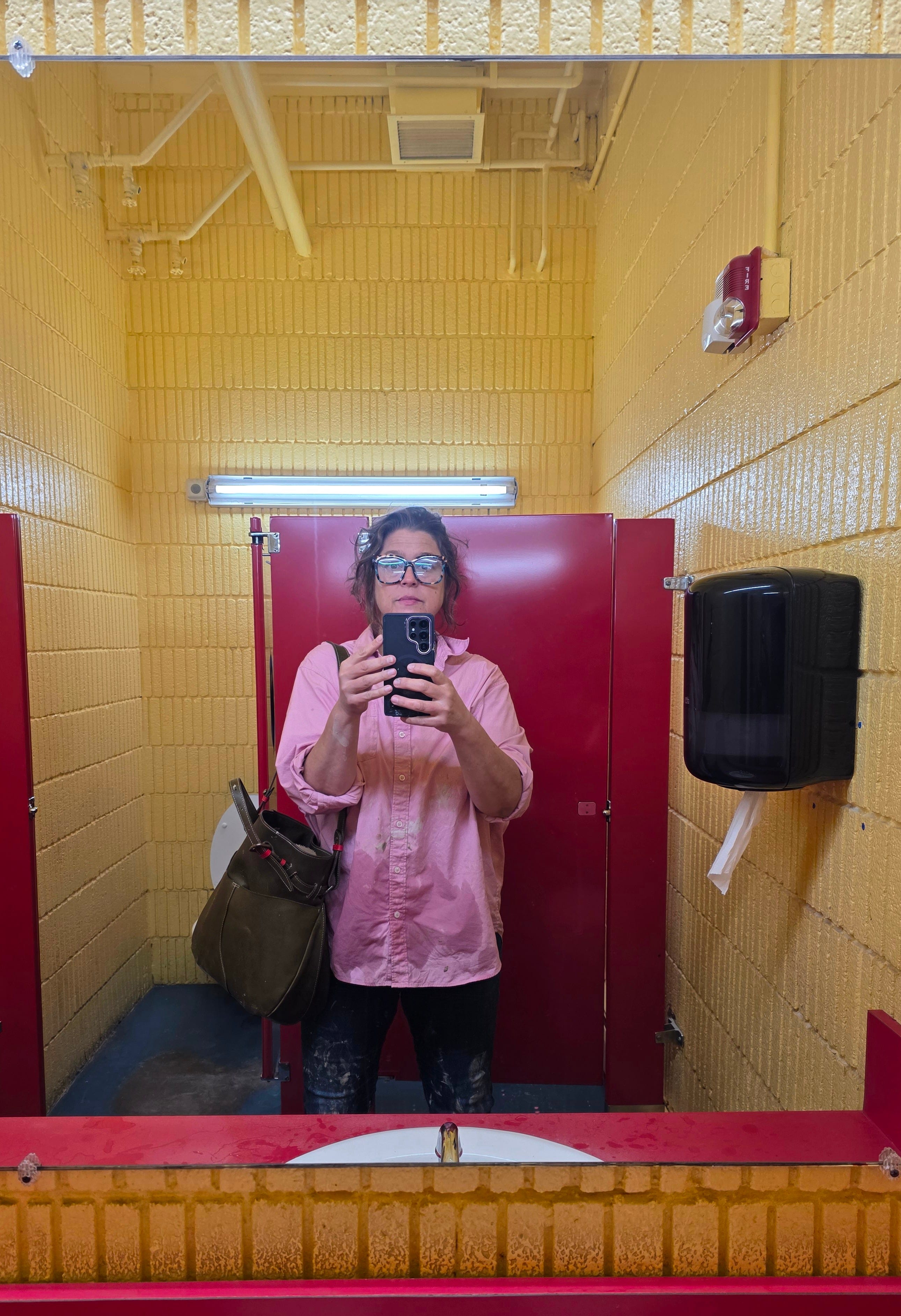
But it is all okay with me because I am a fanatic about my amateurism. I love learning new things that I know I will never become skilled or even proficient at. It is not because I lack grit or talent; if I stick with anything, I know my skills will improve. But sometimes it is ok not to get very far and enjoy the material knowledge and insight gained through learning the process. For one thing, it makes me better appreciate everything in the world, from dumplings to improv theatre to chess.
The word amateur has Latin roots in the word love, so an amateur can mean doing something for the love of it, rather than for profit (money or social currency). The standard definition is a nonprofessional who engages in any activity. The dictionary’s 2nd definition is “a person who is inept at an activity;” a synonym is bungler. I like to think that an amateur does something until they get what they need from it. The self-defined scope and autodidactic nature are appealing and expansive. An amateur might develop skills and even become close to professional. Or they try for a bit and move on.
History is littered with skilled amateurs like Einstein and his violin, Nabokov and his butterflies, and Plath and her cooking and general witchery. Each was a skilled expert in science or writing, but pursued other activities with a passion and love that served their souls in different ways than their careers could.
And then there are the “serious” amateurs who go head to head with the experts. Sometimes they are crackpots and conspiracy theorists, but other times their “untrained” minds allow them to make big connective leaps in imagination. Jack Hitt in Bunch of Amateurs sees amateurs, positively, as “an invasive species… (who) gather where there has been some kind of stress to the system.” Amateurs congregate and create clubs, which become innovation hubs like the garages in the 70s in northern California or robotics clubs that the government poaches for ideas and latent talent. There is an argument that Darwin’s evolution, Antonie van Leeuwenhoek’s Microscope, and Franklin’s inventions were all born out of tinkering and amateurism. (Worked on more than my pottery for sure).
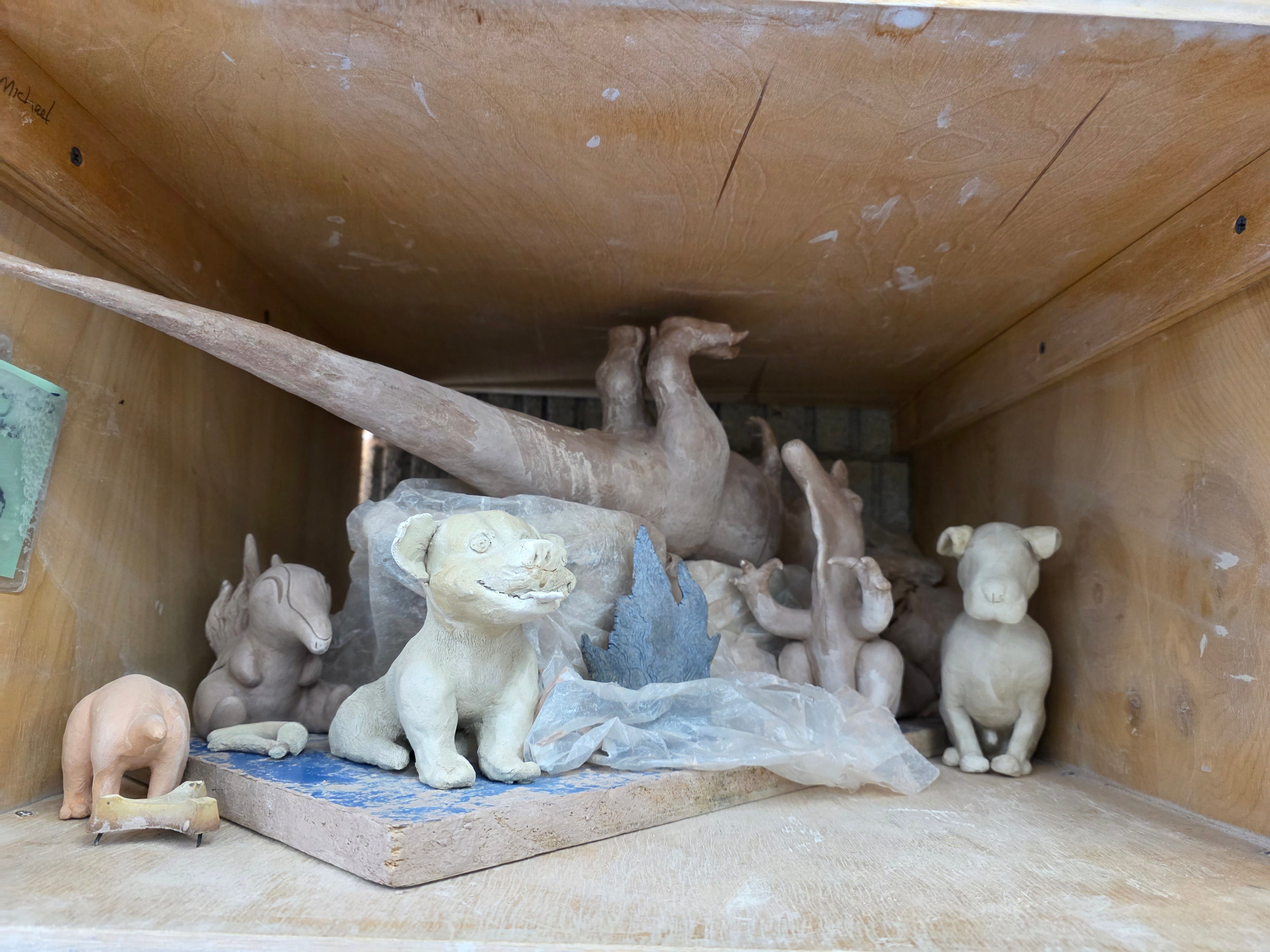
So while recognizing there is a spectrum from dabbler to obsessive tinkerer, I vow to keep trying at the lower end, so I can see what things are like. I am learning about learning when I do - what motivates or frustrates me. How might I prejudge an activity or earn a new respect and understanding of the material world? It feels richer when I embrace this approach. I don’t want to be like the class participants who fret and wring their hands and apologize for their skills, self-sabotaging the joy of experimentation and discovery that awaits on the other side of trying (and failing).
This is something we can model for kids and students, I think. I have had a lot of timid undergrads who are unwilling to try anything they might fail at. From the beginning of class, I try to share the idea that failure following hard and earnest work is a win because it means we are learning the limits of our skills and are actively pushing past them. Its a hard sell, but worth it.
xo,
Amy (amateur painter, game designer, travel agent, plumber, mahjong player….)
What are you a happy amateur at?
Do you struggle with not being good at something right away? Or are you all in, no matter how off-rhythm your tap dancing?
Movie Night
Check out American Movie, a documentary about an amateur/aspiring filmmaker and the long process of trying to make his horror film with a limited budget.
U P C O M I N G
I am leading a live workshop on creating and sustaining a curiosity practice (which I think is a radical and undervalued skill). Sunday, July 27, at 3 pm eta! You can read more here.
I read this the morning after I found myself involved in an impromptu swing dancing lesson/experience in public in NYC with hundreds of other people at Lincoln Center. My sister's partner had brought me there and at first I planned not to dance, just to watch, but of course, then she would have no one to dance with, so I danced, badly at times, decently at others.
And, I also watched, people of all backgrounds, ages, and dance levels and experience partake in the joy of swing, dancing with friends, lovers, life partners, and strangers.
I saw the beauty and power of amateur experience!