
history is history
we need more not less

Happy Sunday! I hope your week was as good as it could be, and the upcoming week is even better. Times are hard, so it feels important to pay attention in strategic and affirming ways.
More free parallel work this week — scroll to the bottom to see the schedule.
I am distressed about the continued and unnecessary starvation and genocide happening in Gaza. And I feel completely helpless and complicit. What can we do? I’ve marched in New Haven, I’ve supported and shared Gaza-born poets in my creative writing class, I vote and share my values with my political leaders, but what else can we do? Boycotting companies, schools, and organizations that benefit from the industrial war complex is good, but I fear it has little impact.
This week, I donated to World Central Kitchen. I believe wholly in their mission and direct aid and hope they continue to get access to the starving folks, although that is not enough. Please share your advice and avenues of support.
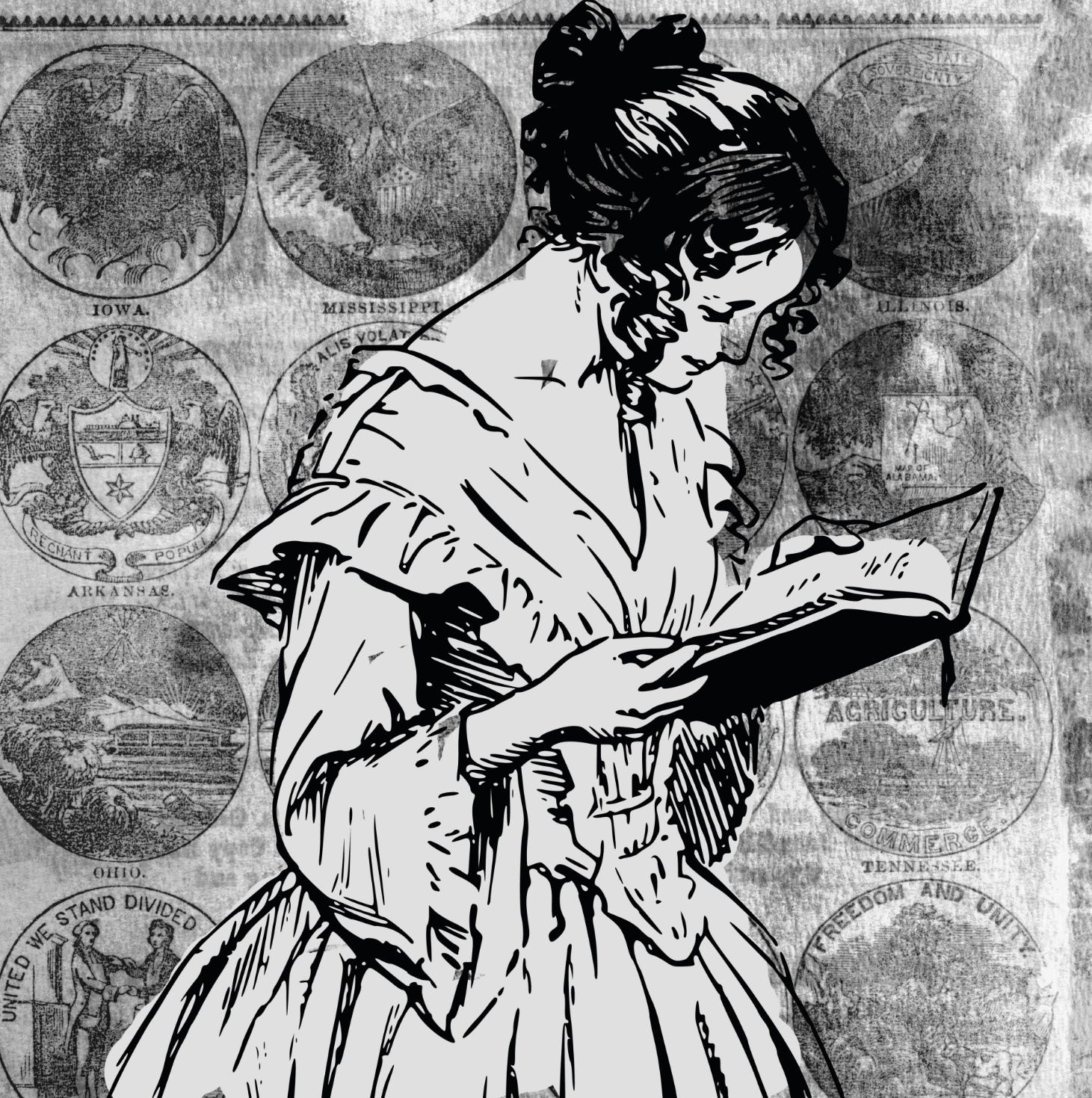
I am also highly concerned about the attempts to control the history and narrative of the country by this administration. Removing signs that simply communicate the complicated truth of America from National Parks and other cultural sites is egregious. I have never visited a museum or historic site whose educational materials offended or threatened my worldview. If they were inclusive or discussed darker moments in our history, I actually felt more patriotic because I felt like the park/museum administration was committed to making the country better and stronger through self-knowledge. Imagine going to therapy and ordering the psychologist to NOT say anything that might lead you to take responsibility for yourself or make you feel bad.
Critical intellectual engagement is not scary. Trying to force adults to believe in mythologies and fairytales to appeal to the dumbest, lowest denominator is. When I visited Mount Vernon, our tour guide led a powerful discussion about the enslaved people and George Washington’s role in managing his estate and the people he owned. The discussion was more about exploring complexities and restoring dignity to those from whom it was stolen, and less about demonizing Washington (you can do that on your own while reading history). My point is, the conversation enriched my understanding of the country, my empathy for those whose backs it was built on, and led me to do my own research on the issues that weren’t covered or that I was still curious about. None of that should be stripped from historic sites.
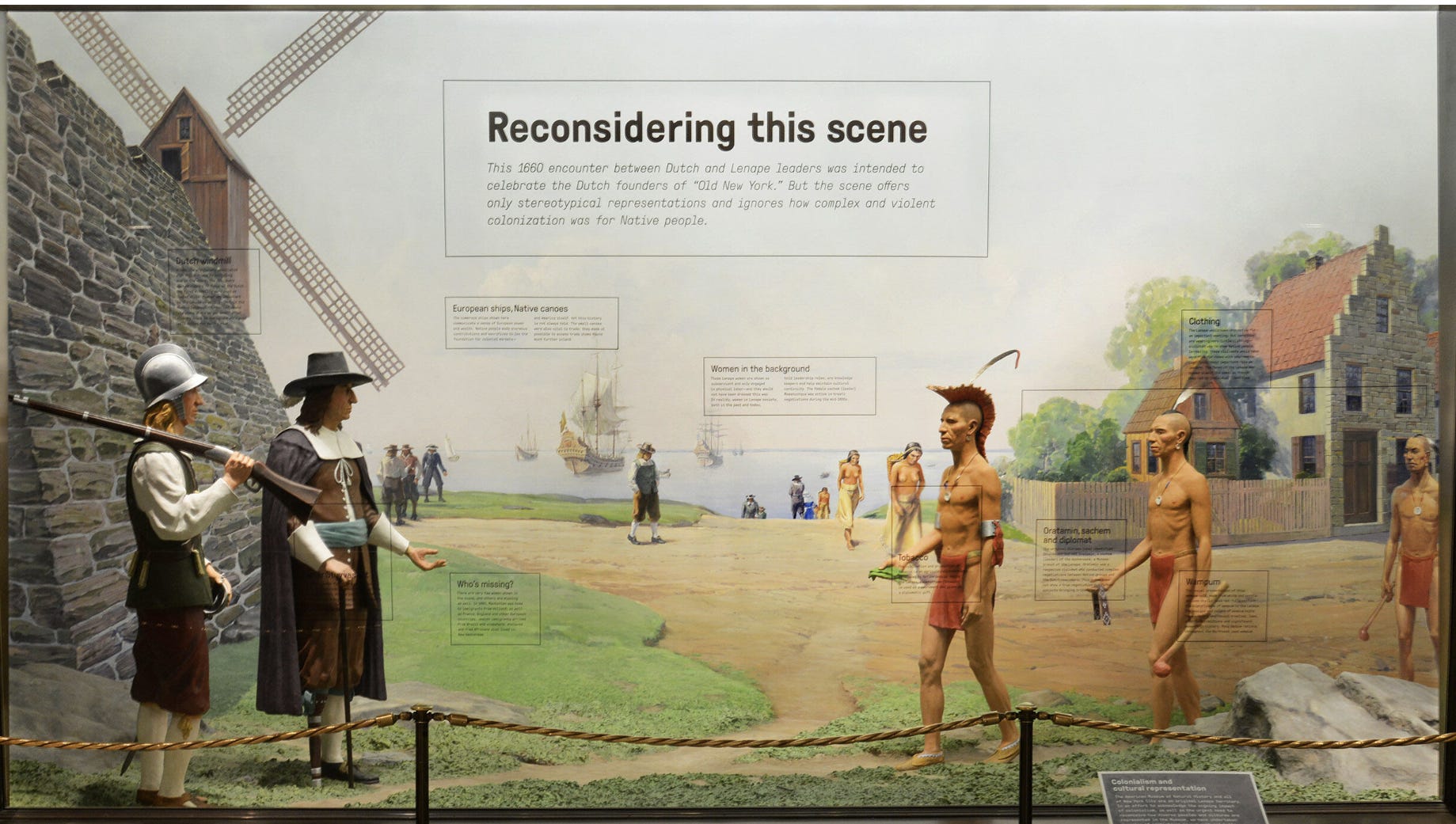
A great example of how we can move forward as values change (and hopefully evolve) can be found at the American Museum of Natural History in New York. There is a diorama on display showing a scene between the Dutch and the indigenous people of what is now New York. This diorama was created in 1939, so it is itself historic. But it is inaccurate in many ways that are degrading.
Instead of removing it, AMNH amended it. They added a layer of context and correction on the glass so viewers can not only understand the story better, but also the ways history has been conveyed in the past. It is a brilliant way to enlarge the conversation by including historiography instead of a quick erasure. They grappled and invite visitors to do the same.
Read more here (and check out their education guide).
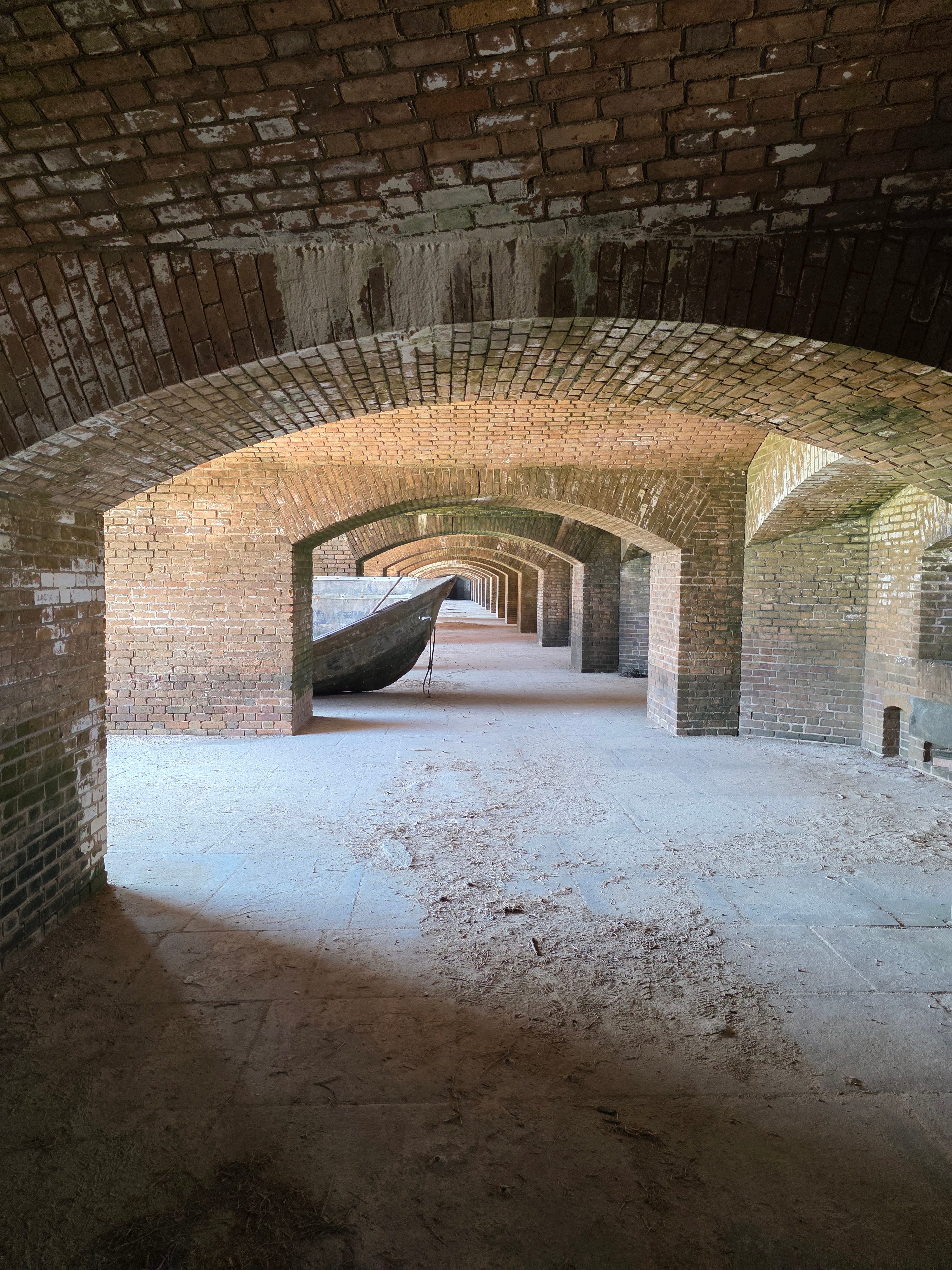
Lastly, I recently witnessed an erasure when I visited the Dry Tortugas National Park. I am lucky enough to have visited this remote and tiny island in the Florida Straits three times. This visit, we had a friend who had never been there, and I was excited to show him the display of boats from Cuban immigrants who landed on the island (a not-unusual occurrence). These boats are ramshackle, patched-together pieces of metal with a little motor, no seats or covering. Really, a tin can. The first time I saw them, I immediately understood something new about the refugee experience, which is the dire situation one must find themselves in to be willing to get in this boat and set off into the open sea.
In the past, there was a small sign that just explained what the boats were, who used them, and why they were at the Dry Tortugas. There was no proselytizing about the honorable (or derelict) refugee, or the United States’ relationship and history with Cuba. It was just information about people and their mode of escape. It humanized the people in the boat, but did not get into the political reasons that made them get in the boat.
Well reader. Those signs are gone. Now, one lone boat sits in a niche with no signage or explanation of what it is. Park visitors might just think it’s an old piece of junk. I asked the park ranger where the sign was, and he said it was removed because the Cuban immigration situation was an ongoing situation, and the federal government needed to approve the way the story was told. The insinuation was that it was just now happening, not that the Cuban migration is over 60 years old. He was nervous when I asked him, and I have no idea if he supported or resisted the move. I was left with the impression that there will be no new sign. If visitors can navigate the trickiness and expense of getting to the Dry Tortugas NP, they deserve to have this information about the island available. It brings world events to life and deepens our understanding. People still have the ability to think positively or negatively about the refugees, but they will be doing so with more information. We don’t need government oversight and minders to micromanage THIS. (Really, maybe just help with groceries, improve schools, and work to repair the impact of industry and rampant consumerism on the environment. Please.)
Again, I am not sure what the most effective strategy here is. I added a small monthly donation to PBS to my budget. I am going to become a member at more small and local museums.
Collecting and sharing history seems good, maybe through:
book clubs
classroom and community teaching
creating and preserving local and personal archives
recording oral histories
attending local lectures and speakers who teach about history and culture
speaking up for unpolicitized history at cultural sites
even self-publishing zines like Radical History Club

Matriarchal Blessings, fab essay exploring the argument that women have not contributed much to human progress (spoiler - it's all about erasure!)
Last week, the parallel working session was productive. I have so much on my plate this month to complete, I want to try it again. If you are keen or curious, please stop by. Remember, it is not social. We have a few check-ins, but most of the time is devoted to focused work. Come to one or all; the Zoom link for each is below. Message me an questions (or just to let me know you are coming).
Monday 9-11 eastern, link here
Tuesday 9-11 eastern, link here
Wednesday 9-11 eastern, link here
Thursday 9-11 eastern, link here