
Joy in Annoyance
+ Orbital (Orbit 9 + 10)

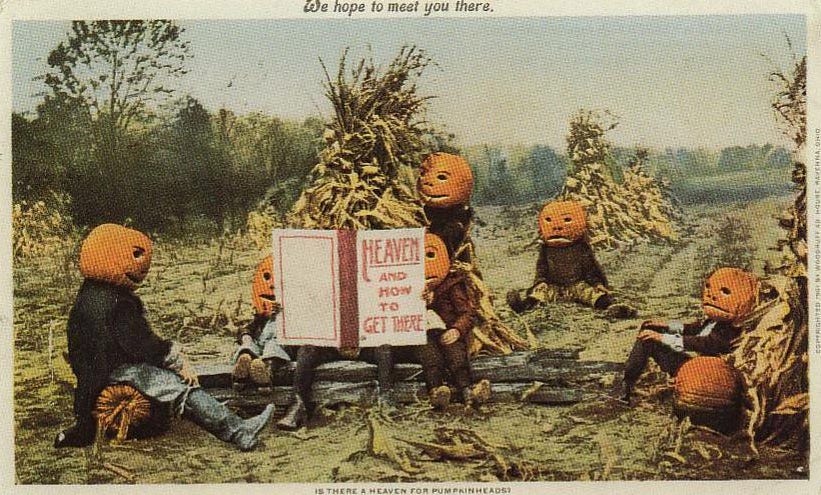
This week was a doozy nationally and locally. The danger of SNAP benefits being cut while a Great Gatsby-themed party was held at the White House felt surreally cruel. A neighborhood haunted house has gone viral for the discussions it raised about trauma-informed representation and our ability to communicate with each other. Halloween night, a shooting downtown left an 18-year-old girl, a bystander, dead. And the mysterious death of a 23-year-old this week in my neighborhood has made the season feel especially dark.
My daughter and I mused that the country is suffering from mass depression. She reported the general misery at her job, where folks are at the top of their field and seem to be living the dream. “No one is happy,” she told me. I noted that my students feel more detached than usual. Their phones are not just dopamine fixes, but a refuge from the world. They in many ways seem to be hiding or in search of safety. And who can blame them?
Against this backdrop, it is easy to get sucked into a cranky, reactionary mindset. I certainly do when driving (it is unhinged where I live). But I have also felt a gentle pull towards reframing things that might seem annoying but actually are evidence of LIFE!
A few examples:
Since COVID, students (in college) have been quiet. They don’t talk to each other, they have a hard time responding in discussion, and are generally subdued. From a classroom management standpoint, this seems sorta nice, because there is no tension. But of course, that is not the best environment for teaching. This semester, for the first time in a long time, I have students talking before class and even during class, where I have to ask them to stop! This is not disrespectful or even disruptive, really - it is just an excitement and vitality that I am so happy to see. I want things to get a little out of control every once in a while. This is not something I will be annoyed by or complain about!
My new neighbors had a party last night. They are usually quiet and hardly seen. But they hung twinkly lights on their porch and played games outside that had them screaming and laughing until midnight. I thought, in some version of my life, I might complain as the night wore on. But on this day, I was so, so happy to have life breathed back into the house that had recently been a hospice shelter for my older neighbor. This new couple is good!
Finally, I was in class yesterday with Garth Greenwell for a book study of St. Augustine’s Confessions. In the second book, he writes at length about being with his buddies and stealing pears from an orchard. Greenwell talked about the joy of harmless teen schnennigans and how timeless the phase is. I mean, we were reading about boys 1600 years ago. He then shared that on Halloween night, he watched a group of boys empty his candy bowl into their bags and run off. This might be slightly annoying, but it is not uncommon, and he laughed about it because it reminded him of our reading. And in 10, 20 years, he will not mourn the candy he lost (it was meant to be given away), but those boys might have a tall tale to tell, and a night on connection and hijinks. I’ve read many folks on FB complaining about teens who are too old to trick or treat or taking too much candy, and it seems to me that it is better to have kids out hollering and “acting up” a little than sequestered in their homes on screens. Read about the history of pranks at Halloween here.
I feel motivated to check myself when I feel annoyed at other people. I want to ask, am I bothered because I want to stay in my quiet bubble? Or can I flip this around and really notice what the other person is doing? And if they are not harming someone, can I hold space and celebrate their vibrancy?
Orbital
This week, we read Orbit 9 and 10. There was so much I loved about these chapters, both in theme and imagery.
The Golden Record is mentioned again, and the idea that it is “a love song that outlives spent suns” is powerful. The recording of Ann Druyan’s brain as she meditated on love (having just fallen in love with Sagan) is inscribed on the record in hopes that future civilizations can turn it back into thought. This ambitious, international project is also an intimate record of two people. Amazing.
We learn about all the prep it takes to become an astronaut as the rocket takes off to the moon, and the space station crew watches. We get tiny rumblings that they are paying the proe for future explorers. The station itself is aging out, and it seems the astronauts, too, aren’t far behind. They are essentially lab rats. “They are data. Above all else, that. A means and not an end.”
*This is amazing! How a rocket launch looks from the ISS.
Anton reveals he does not really love his wife and that before he went to space, “he’d not known how capacious the heart was.”
This makes me wonder, what experiences do we have that are so expansive that we are changed, and our relationships are at risk? I think travel, medical emergencies, and even education can distance us from those we love as a different (smaller?) version of ourselves. This is a meaty question to dig into.
One of my favorite scenes is when they all sit around after dinner and talk about the childhood treats they remember. Last summer, when I read this, I researched and gathered up all their sweets and tried them. If you have access to international food, try it!

You can read more about the Japanese candy shops, Dagashiya, here.
When Chie talks about her mom’s funeral, and she will miss it, Anton cries, and they capture his tears because water or moisture is so dangerous to the ISS. This short section made my stomach drop with the tender care of each other and their environment.
Roman’s conversation with the women in Vancouver over the shortwave radio was poignant. The definition of crestfallen, the use of the word billow, and his assertion that he has experienced the opposite in space, that the spirit entered him.
Again, this feels like an invitation to readers. Have you felt crestfallen? When? In what situations have you felt the opposite - like life is filling you up and you are so alive and present? If we can identify those life-giving activities/situations, can we chase them? Incorporate more of them into our lives? Is it worth it? We will eventually crash worse when they end?
A question is asked of Shaun by a reporter that acts as a lens for the rest of the book:
“With this new era of space travel, how are we writing the future of humanity?”
He can’t answer, and I wonder if you or we have ideas? Apparently, space is filled with commercial satellites and a new capitalist frontier to explore. I’m not sure how I feel about that.
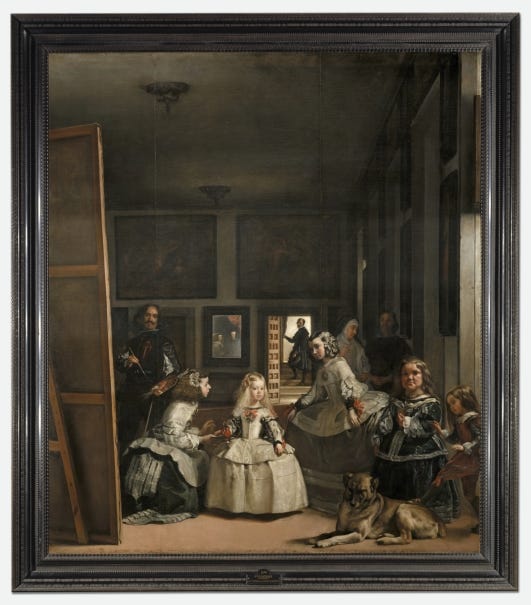
Finally, we end with a return to the painting Los Meninas, where Pietro reads the image immediately as a portrait of a dog, the only one who is free from human trappings and what Shaun’s wife calls “the labyrinth of mirrors that is human life.”
Please share the sections, lines, and images that stood out to you as you read and your thoughts on the themes.
Next week, we are reading Orbit 121, 12, and 13. Pages 161-175.
Hope your week is amazing!
Evidence of LIFE: "the excitement and vitality" of a classroom abuzz with connections to ideas and each other...priceless!