
liminality + de-evolution
week 6, Orbital slow read

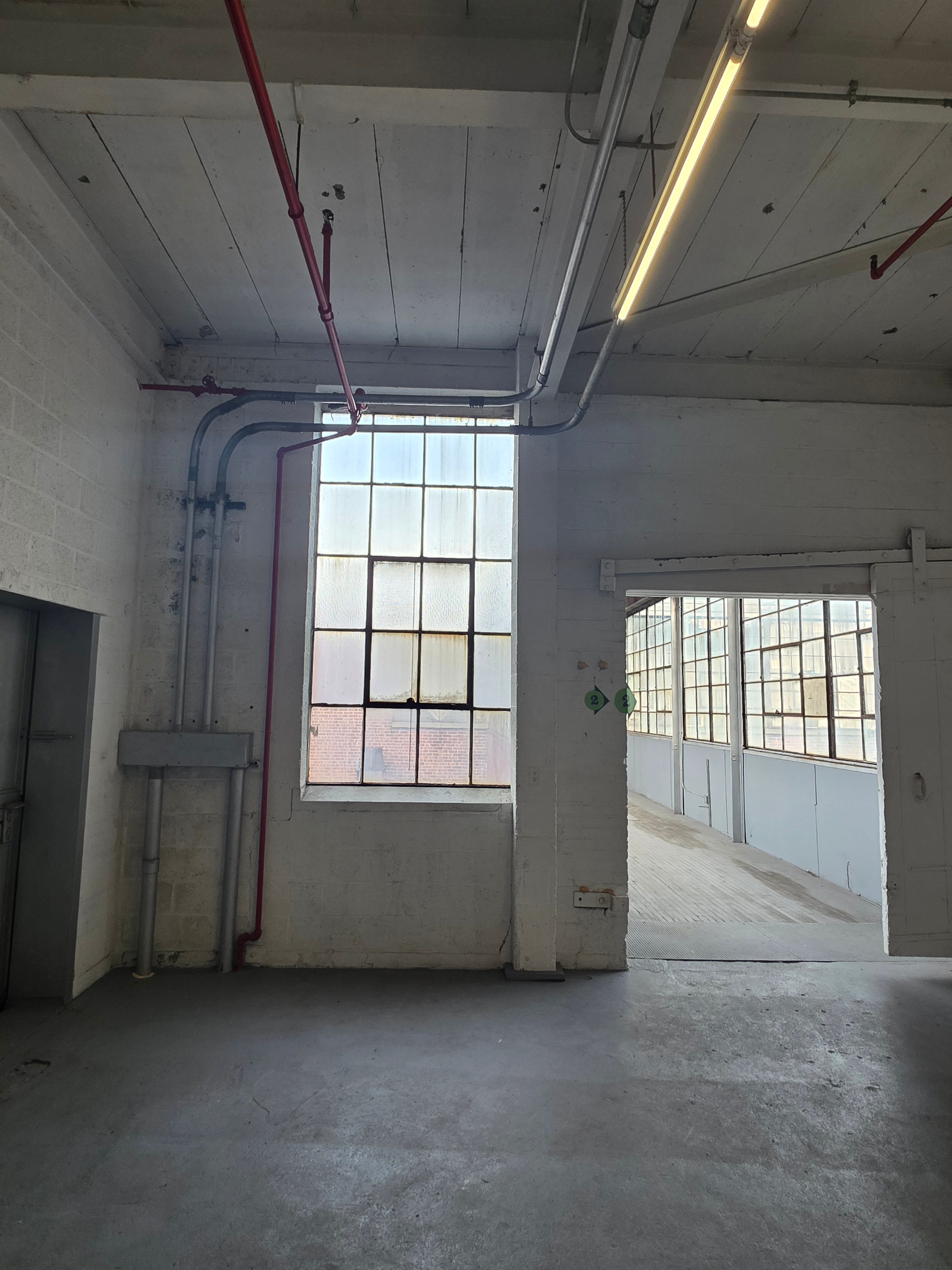
This week’s reading, encompassing Orbit 8 was quiet and reflective. The themes woven through that response resonated with me were the idea of time, liminality, and de-evolution (not rebirth).
“The past comes, the future, the past, the future. It is always now, it is never now.”
Last night at pottery, an elderly man who is a mystic, potter, former professor, health care worker, and more, shared his poetry with me and explained his understanding of the universe, which included the metaphysical of breathing in one another’s air, the stored sunlight in our bodies that makes us radiate, and how thinking divergently can solve massive problems. It was all heady for a Friday night, but captivating. I am drawn to old men, it seems. He also shared the idea that every moment contains what came before and what will come next, a sentiment I largely agree with and made reading this chapter salient.
The idea of being in a time and not feeling the time or feeling other times as well is familiar to most of us, even without being in space.
“They’d come this far, and were only some eighteen inches from the insides of that spaceship that would be their home for several months, only eighteen inches from everything towards which they’d been aiming for so long. Yet had to wait, in some antechamber which felt in a sense biblical, a pause between life and the afterlife. In some respects, fro those two houses, you don;t exist in any way you can recognise. Nothing you’ve ever experienced has been that far from the surface of the earth, and nothing you’re about to expereince is really yet known. And you're exhausted in a way you’ve never been before. And incredulous at micrograviotty, and your nasal voice, which doesn’t sound like yourself.”
I am curious when you might have bumped up against this feeling?
For me, it would be childbirth, drugs (especially a time I was accidentally drugged and did not know what was happening), being lost in nature or a different country, and witnessing violence. In these times, I felt unmoored and “engulfed” in the present and uncertain if I would return to the previously known space.
I love that Anton brought bread and salt as a hospitality gift. Both are grounding and ancient and would be especially powerful in a fluid space-time surreality.
Harvey goes on to echo this slippery perspective when she writes,
“The earth outside was made that day and was at the same time the oldest of things.”
The astronaughts seem to de-evolve here,
“Their minds were freshly minted.”
I say de-evolve instead of reborn, which could be akin, because she describes them as amphibious and like tadpoles. They are not exuberant, but cool, and lacking commitment. Less like a phoenix and more like a creature crawling from the mud.
(More on liminality here.)
In Orbit 8, descending, we get a close-up look at Nell’s marriage to a sheep farmer, whom she rarely sees. The comparison of each of their controlled/uncontrolled interiorities and the outside world is fascinating.
He sends her pictures of the earth, a sheep’s ear, the sky each day, and she sends him images from space. She also admits without hesitation that she would go to Mars if the opportunity arose. Their relationship feels distant but tethered and strong.
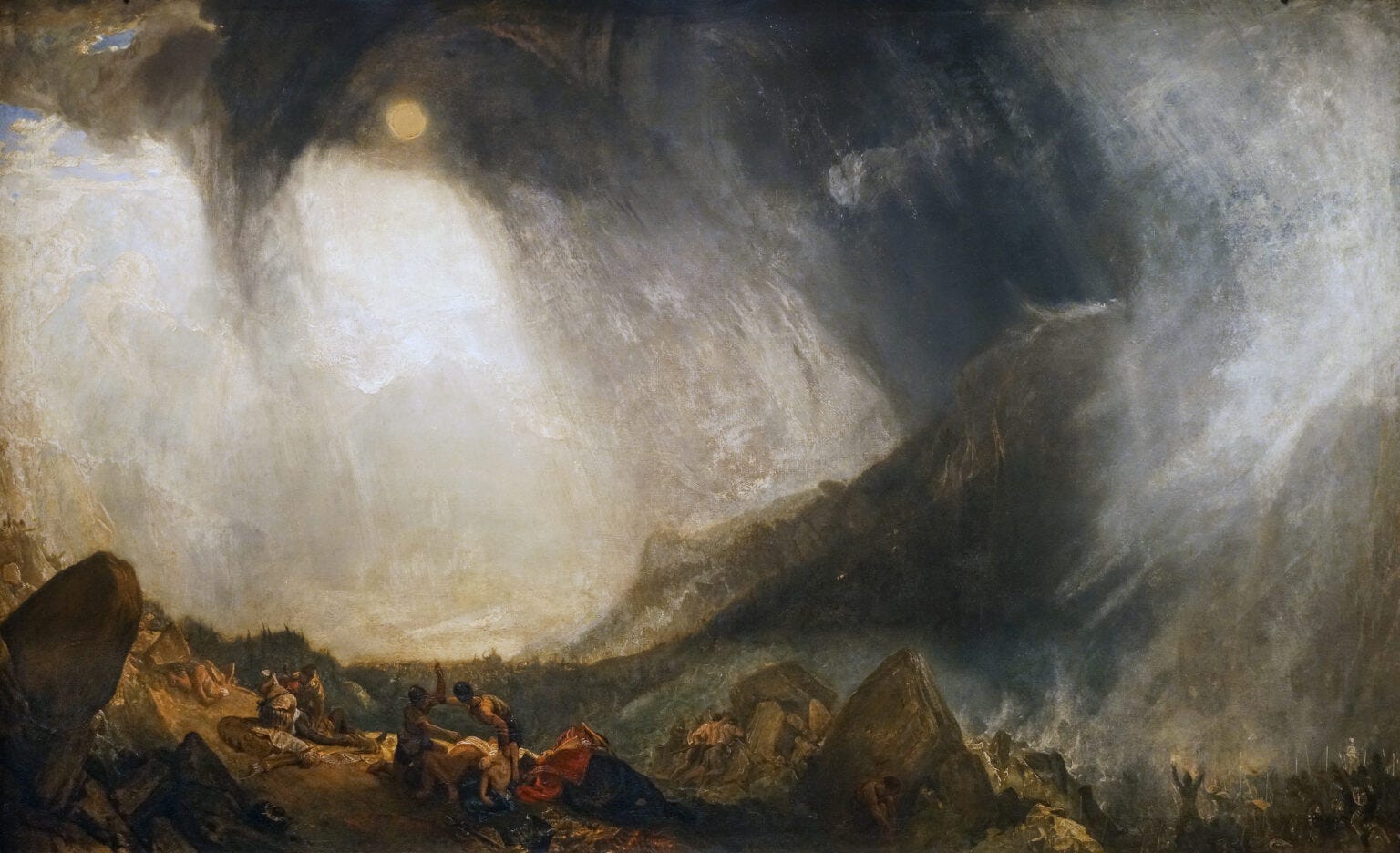
Next week, we are moving on to Orbit 9 and Orbit 10 (pp. 130-160).
I would love to know what stood out to you this week in the text, and what resonated with your life.
In the future, I might dedicate the book club to its own day. I have a ton of other things I want to talk about, but I don’t want to write long, rambling emails.
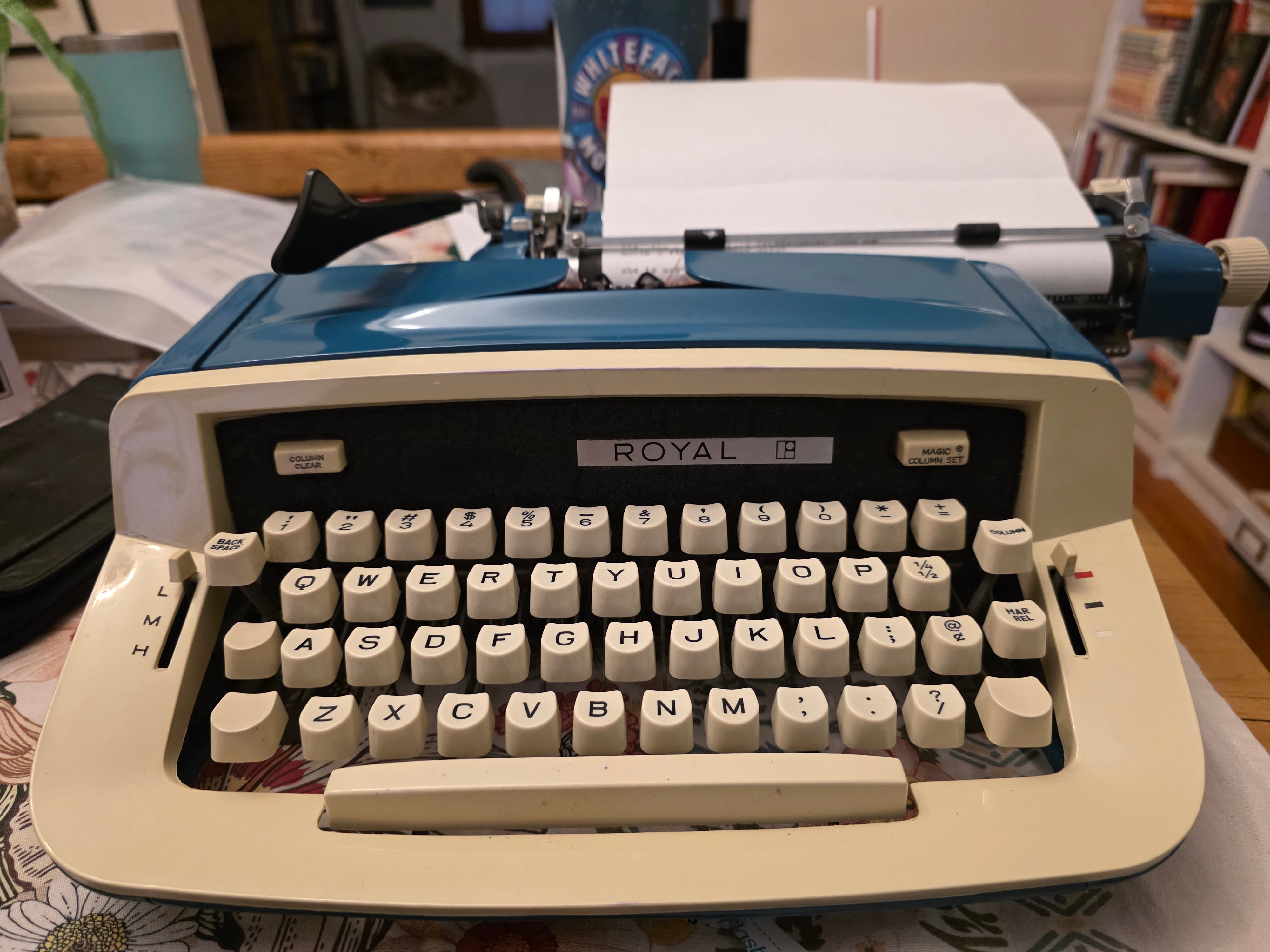
I am curious, what would you like to read together?
What would you like to hear about outside of the book club?
(writing, education, homeschooling, university life, divorce, creative living, movies, radical ideas…)
Consider joining as a paid member to vibe on Wednesdays with creative labs, and allow me to eat out at my local Mexican restaurant. :)
Many of the same phrases and sections stuck out to me as what you shared, but also the opening of 8, ascending, as it focused on the Southwest, mentioning New Mexico where I now live and in that same sentence "invisible cities."
I had to stop reading and pull out my journal and write about what it means to live here, in rural state that often seems forgotten in the larger U.S. context, or viewed only through the lens of a single TV show. Images of meth and broken people. Lost to others is the resilience and the community and the beauty and strength of those who were once broken and have repaired, recovered, golden at those broken places.
And 8 descending left me also reflecting on intimacy and on knowing and not knowing another, of the private self that ee perhaps all hold back from others, even those we love and seek intimacy with. Is there value and importance in having a private self or is it a barrier? Do we sometimes keep ourselves from that private self? Distracted and disengaged? Avoiding the quiet and stillness required for connection, for knowing?
In my journal I write not to be or not to be, but to know or not to know.