
Shifts + Orbital's Conclusion
moving on

Good day!
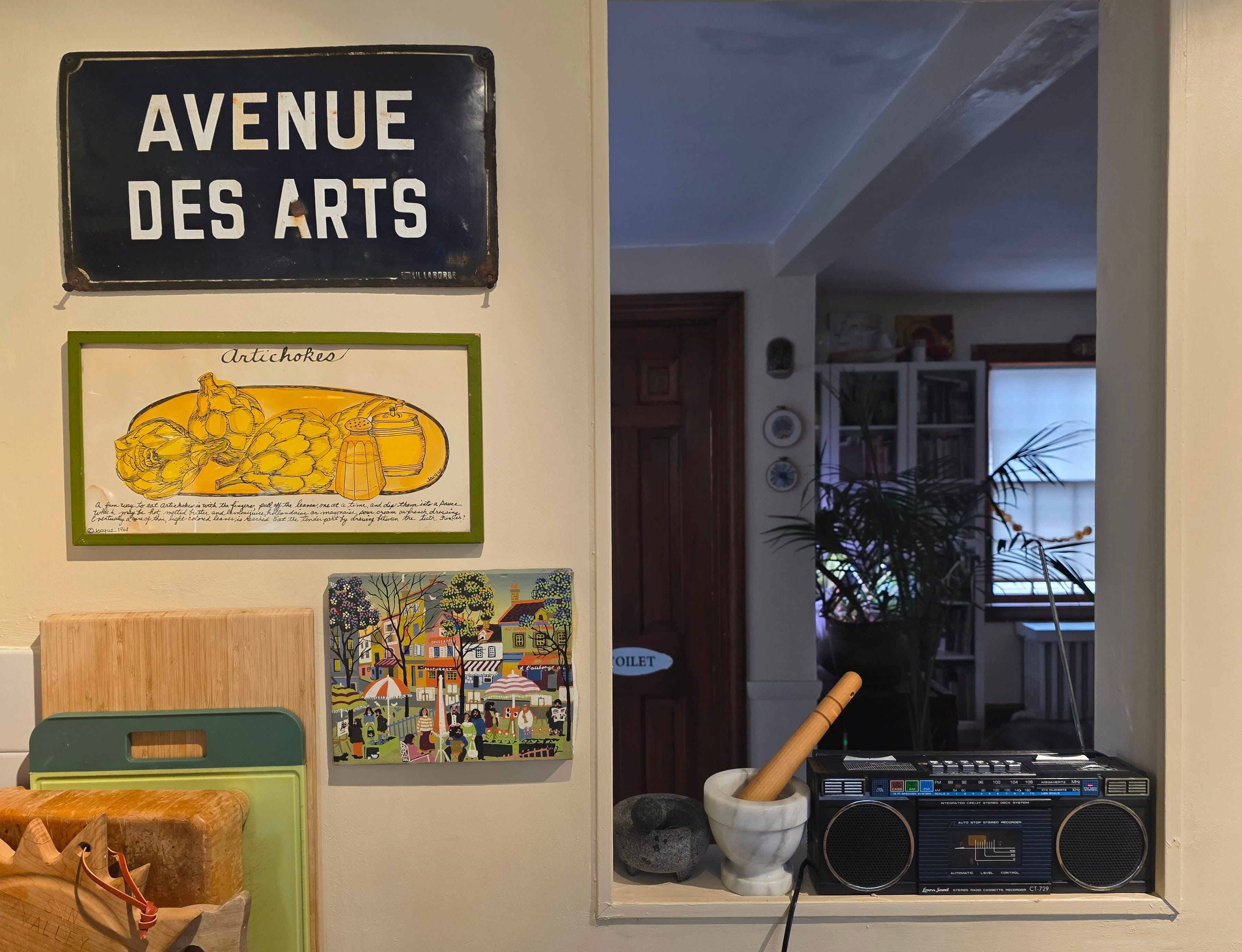
It feels like a big shift around here. School is out for a week, I planted 100 cloves of garlic to (fingers crossed) enjoy in summer 2026, I got a flu shot, completed the required car emissions test, hosted a student film that is being shot at my house this weekend (which means hiding in my room), and I’m making appointments for dogs and furnace cleaning.
I want to get through the last weeks of school and these final tasks so I can move into 2026 prepared, rested, and energized.
It also feels perfect that we are ending Orbital today. This book worked as a mediation and mental portal for me over the last weeks. I looked forward to the short reading every weekend and found that the themes frequently lined up with my own life, which was nice. I am curious if you had a similar experience?
I will announce the next read-along next week if you want to join this lowest-stakes book club around.
Also, I am committed to sharing a gifting guide tomorrow (I keep adding to it and need to release it!) and Wednesday for paid subscribers, a last-minute, no-prep game you can play on Thanksgiving. It was introduced to me by a student, and all my classes had a lively time with it.
Orbital
Orbit 15 serves as a final tour around Earth, a last look for us, the readers. The chapter starts with “they” and moves into 2nd person, “you,” which feels like a way to make us part of the crew. They (we) are again sleeping, protected, in the nursery-like station.
The line, “Perhaps this spacecraft is the only thing,” distills the idea that our worlds are contained by the present, even if we don’t concede that very often. It is always the only thing. This moment, you right now, reading this, is the only thing.
Harvey’s rich descriptions of the land, water, ice, and air are gorgeous, and I marked too many to burden you with. I am sure you did the same. Her fizzing stars, “cloud-free confection of crackable white”, and smudge of continental colors carry us along in a sensational dream like the astronauts who stir slightly or slip into deeper sleep depending on how their bodies track the orbital changes. Her diction hints at gestation; this is confirmed when the view is described as repetitive, “yet each time, every single time, newly born.” Even their return to Earth, in all its violence, sounds like a birth.
Orbit 16 touches base with the lunar astronauts and then the fisherman’s family, who ride out the typhoon in a church protected by a baby Jesus doll encased in glass. It is a miracle they survived (thank God). But the cracks in the church’s wall are echoed in the small fissures emerging in the space station, and we are reminded that it will be decommissioned into the ocean in the near future.
People die, space missions are completed, and even human residency on Earth might end with a move to Mars. Harvey suggests humans might realize that the fact that there is no planetary flag could be our downfall.
On Mars, we might, “start a colony of gentle preservers, people who’ll want to keep the red planet red…” I doubt this and have been thinking a lot about exploration and colonization.
Can you be an explorer and NOT a colonizer? I am not so sure. The very “discovery” or entry into a new place is essentially colonizing, even if we think it is benevolent. I asked my son about this, and he said it is the way nature works, and we are part of nature. “Colonizing” by invasive species is common; are we just the same? Or do we think our ability to moralize and articulate values changes the power dynamics?
The final scene with the noises of space and Earth’s own chorus, unable to harmonize other than for brief blips, is hauntingly hopeful and dire. We can do it, but it is hard and rare. The cycle leaves us in a “wild and lilting world.”
Did you find the ending satisfying? Were you hoping for something different? Did you think it was porous enough to allow for the multiple possibilities? I would love to hear your final assessment of Orbital.
Have a great day! Look for a gifting guide on Monday morning!
xo,
Amy
I am so grateful for this slow reading experience. I came to look forward to it every Sunday morning my church, so to speak, over these weeks. The richness of her language, the beauty of our planet, the complexity of its people and of nature itself -- I savored it all.
The book also gave me so much to think about and consider with my own writing as I work on reworking or newly approaching a novel that I am writing. So I am also grateful for that: for new perspectives and ideas and ways that a book can be.
I want to reread it and challenge myself to create an orbital Playlist, pairing each chapter with a song. If I do, I'll share it. If others have song ideas that might have come to them during the reading, please share.
This practice/invitation was also helpful in getting me to read more slowly in general. As I read other things, I remind myself not to rush, to make sure I am truly present and engaged with the text.
Love that you've opened your home as a filming studio for your students. #TeachersRock Wishing you a wonderful close to your semester.
I haven't read Orbital, but when I do, it will be a richer experience having read some of your meditations and reflections.