
slow read: I Hate WhatsApp
+ a prompt

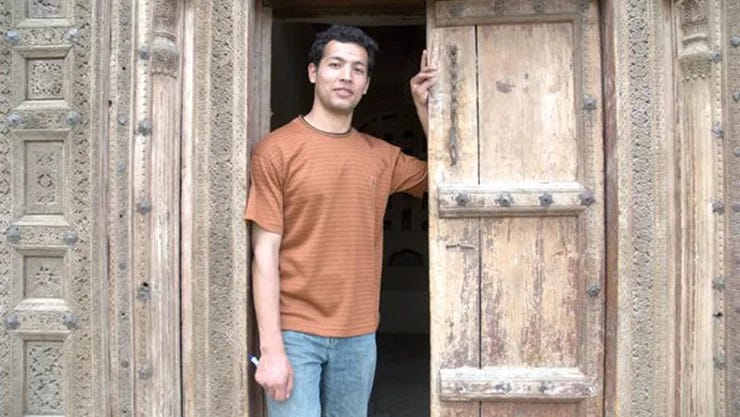
The following essay has stuck with me over the last few months.
In Qais Akbar Omar’s Agni piece “I Hate WhatsApp,” he chronicles the constant drip of devastating news from his family in Afghanistan. He lives in America with his new child, an impressive career as a writer, and relative safety.
The U.S. pulled out of Afghanistan over two years ago, but I still receive messages and phone calls from my cousins and friends on a monthly basis, asking me to help them get out because they can’t live in fear and hiding anymore. I do not hear from them directly when their houses get raided by the Taliban; instead, their wives and children send me disjointed messages on WhatsApp and delete them the next minute so the Taliban will not see the messages, or they call from the next room to tell me in a few halting words what has been going on. My heartbeat goes up, my head spins. If I am standing, I sit down to calm myself, but where is the calm? I have been in their situation before.
He lives in two worlds, made possible by WhatsApp. One where the morning is beautiful, he notices squirrels and reads books to his daughter. Another is where he is kept abreast of Taliban activity, the danger his family faces because they worked with the Americans in Afghanistan, and pleas to help their escape. This bifurcation of identity and responsibility exacts an emotional toll on the writer, especially when he receives particularly bad news and is held accountable for it.
I hate WhatsApp, but I can’t live without it. It keeps me connected to my loved ones, who are slowly and steadily perishing.

Most of us do come close to relating to Omar’s situation. But we do have ways smartphones and apps bring us closer to each other, deliver news that calls us into action, or let us surveil, stalk, and torment one another.
I am thinking about some of my students, who come far, often alone, from countries affected by war. Their phone connections are a lifeline.
A Ukrainian student told me how short the time was until she and her friends became accustomed to the sound of explosions in the distance. And then, about the time, it hit near her mall. She uses her phone, WhatsApp maybe, to stay in touch with her parents and brother, who can not leave because he will be conscripted. They sent her out to college in America to expand their security and possibilities, to keep her alive.
Last semester, another student wrote about how her family in Albania would not have been as close to her growing up if it were not for Facebook and video calls. Her mother credits her survival in the US to the constant connection with her family back home.