
Sunday Newsletter
windows and mirrors, 28 days later, labneh

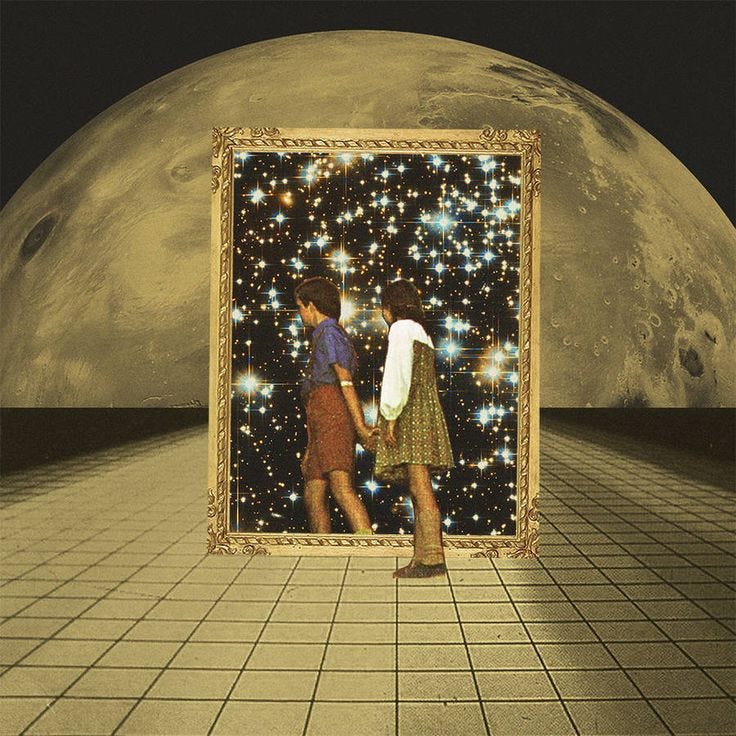
As an English teacher for first-year college students, one of the most transformative pedagogical ideas I learned in the last few years is Rudine Sim Bishops' metaphor for inclusive education of “windows and mirrors.” This simple method ensures I teach a wide range of materials that go beyond my experiences and perspective. By offering students mirrors in which to see their lived lives reflected, as well as windows to see past their limited world view, students gain confidence, and the classroom community grows stronger. There is a notion that diversity and inclusion divide students, but I have seen the opposite. These values are not divisive but antithetical to isolation (which is what I believe drives the fear of those opposed to inclusivity). Students see commonalities and universal struggles, no matter their background. I have had students share what they thought was a personal and singular story, only to find out that they are “not alone,” at least in feeling. In my class, a transgender student, a first-generation student, and a recruited athlete find out they are all struggling to figure out their identity as young adults, while parents, coaches, and society are working hard to shape them in their ideal vision. I have had multiple students impacted by war, either themselves or their parents' generation, offer writing and narrative support to each other even when their home regions are far and their religions are different. The “not alone” feeling is powerful and highly corrosive to authoritarian rule, which is undoubtedly why it is under attack.
When I compile my reader each semester, I work hard to include many windows and mirrors. I collect essays or stories that represent a variety of backgrounds (ethnic, religious, class, gender expression, disability, etc.). I also try to include topics that I learn my students are drawn to. We read about video games, horror films, sports, Beyonce, Taylor Swift, fashion and beauty influencers, activists, car culture, food, and more. I learn next from them and expand my “windows” on the world each semester.
It is not just taking a peek into another person’s life or perspective. I mean, it is that, but also stepping into their understood and known world. To do this, I ask them (I do the same) to generate a list with all the cultural references and unknown words in each text. This seems basic, maybe, but with many texts, this step can be so rich that it serves almost as a secondary syllabus. We will watch short clips from TV shows or commercials that they have never heard of. Look up foods and try them. Project slides of artworks and maps of locations. I want this step in reading to become habitual and exist beyond the classroom.
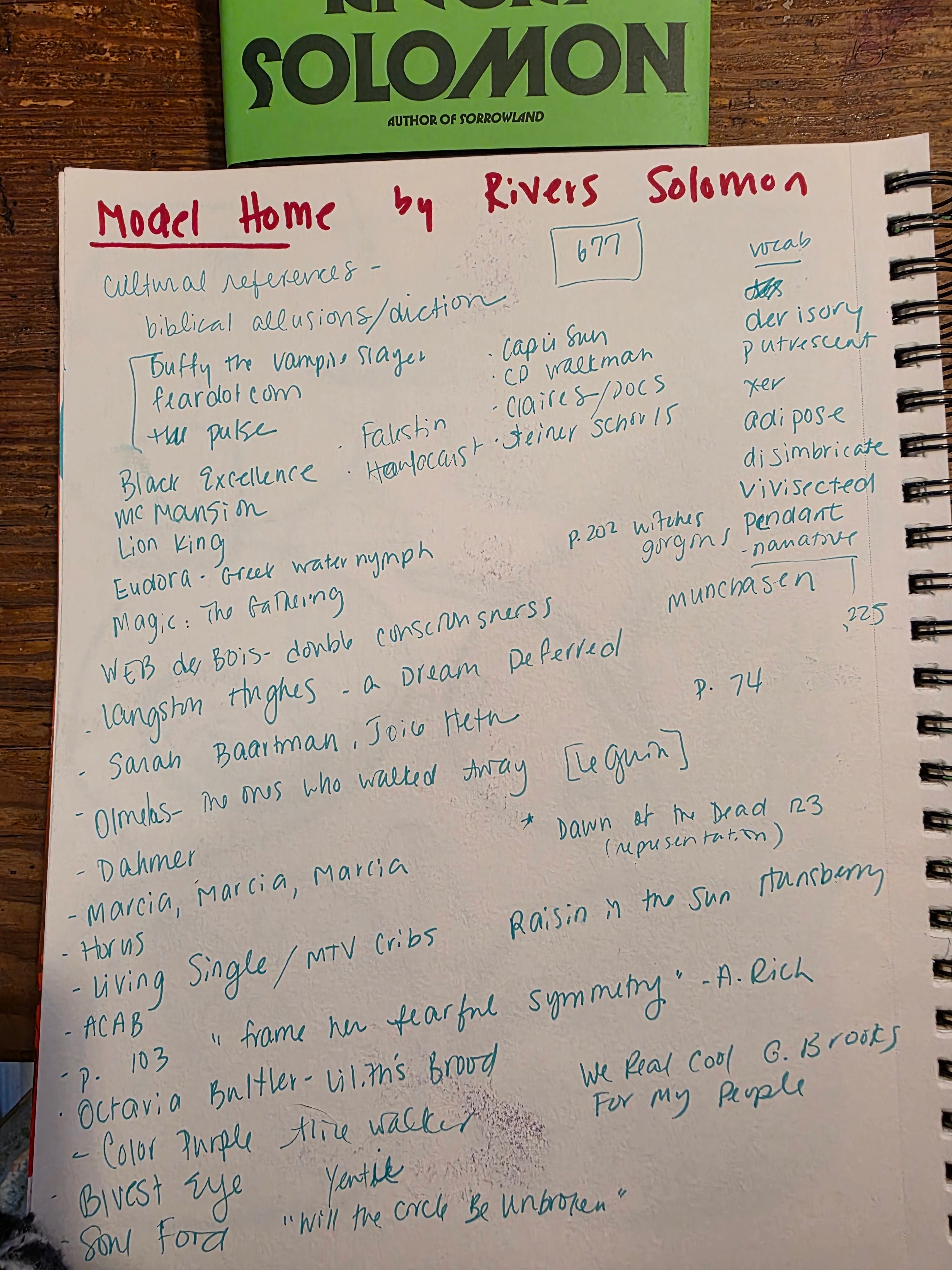
I just finished Model Home by Rivers Solomon. This haunted house book explores gated communities, racism, Black excellence, the lingering effects of trauma, and the power of family and history. The author references many classics in literature and pop culture. As I read, I scribble out a list. If a student read the poems, and novels mentioned, watched the TV shows and movies, and explored the food and material culture mentioned, they would have such a rich understanding of not only the personal struggles of the characters in the book, but of their world in Texas.
Here is a shot of my list - I did not plan to share it, so ignore the scribbles and misspellings. I was lounging as I read.
Here is a worksheet I made for Journeys in Film to track your windows and mirrors. I like to do this in the community and share resources, so we all leave with new media to check out.
And a challenge for you (and me as I crack my next book) is to be sure to have some paper and pencil nearby to make a list as you read. Try to collect every mention of another author or cultural product, even the ones you are familiar with. It is interesting to look at them together when you’ve finished, especially if you will be teaching the text, as it can help you identify context that may be unfamiliar to students.
Reading + watching
I just watched 28 Days Later for the first time. It is a horror film (with a young Cillian Murphy) about a “rage” virus that infects London, and follows four characters as they try to survive. Sounds standard, but the music and sound design are gorgeous, and some of the scenes are cozily domestic and shot achingly beautifully. We watched it in preparation for the 28 Years Later, coming out soon.
(Horror is a “window” genre for me. I watch it to connect with my kids and students, and am better for it! I have learned so much and appreciate how horror tackles social and personal issues through zombies, monsters, and glowing TV screens.)
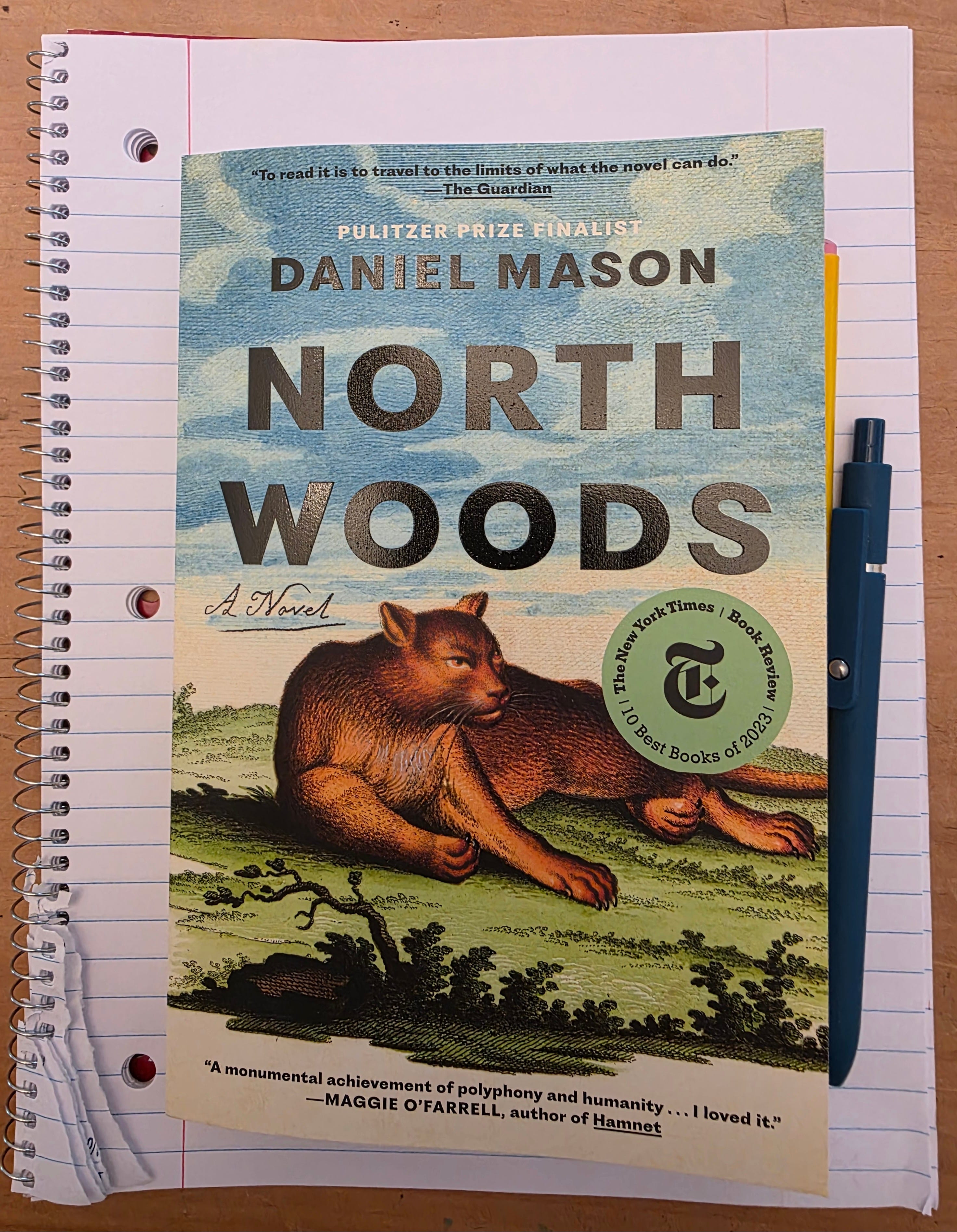
Diving into North Woods by Daniel Mason for a local reading club. I started and love the concept of tracking time and characters through one location (a house), but I am not totally hooked yet. Model Home is still on my mind. I would love to know if you read it and what your thoughts are!
Food: Move over, avocado toast
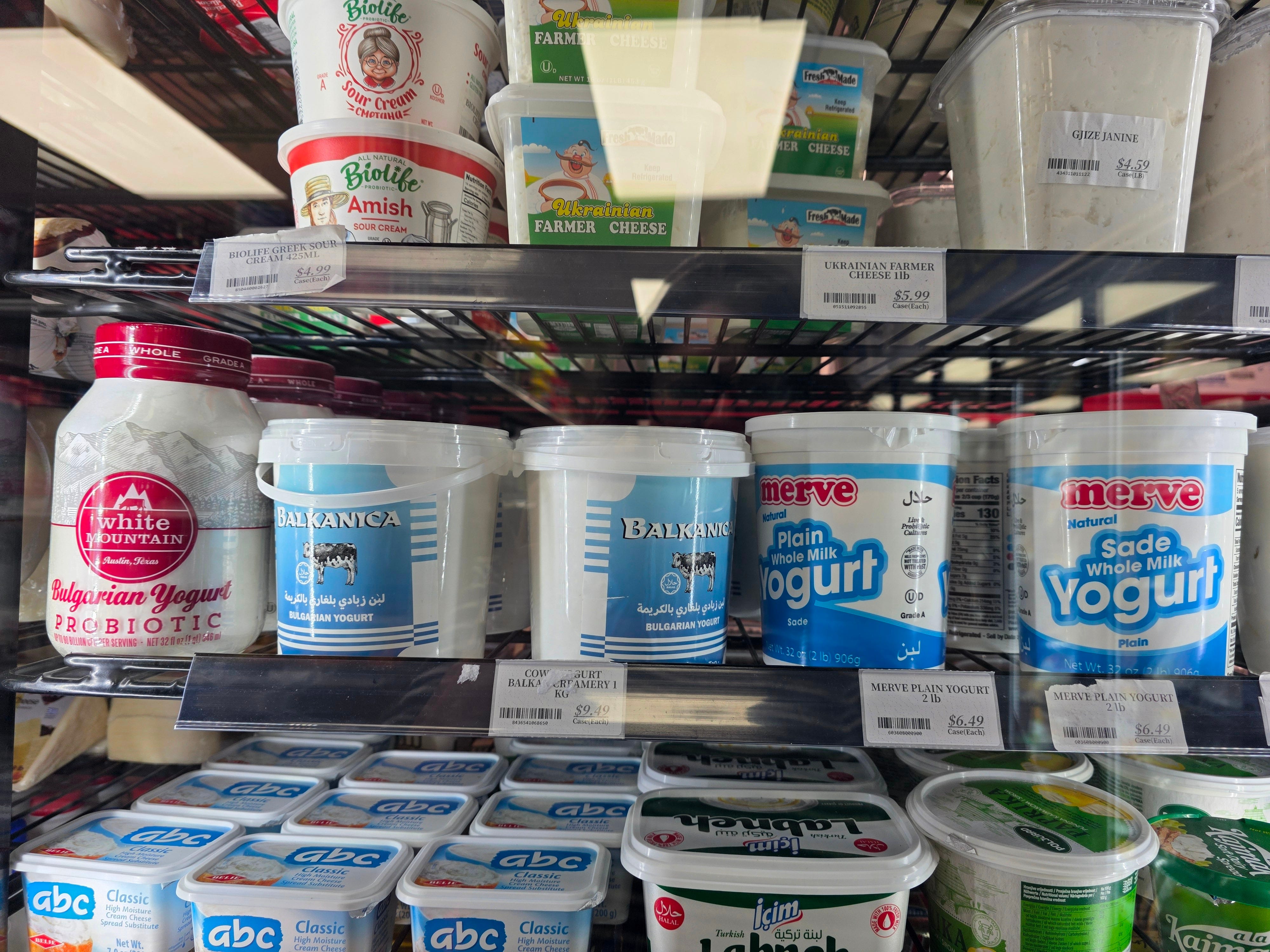
This weekend, I went to a local Balkan grocery store and grabbed some labneh. It is a spreadable yogurt-based cheese that is delicious. It is easy to make (just strain full-fat Greek yogurt through cheesecloth), but I like to buy it.
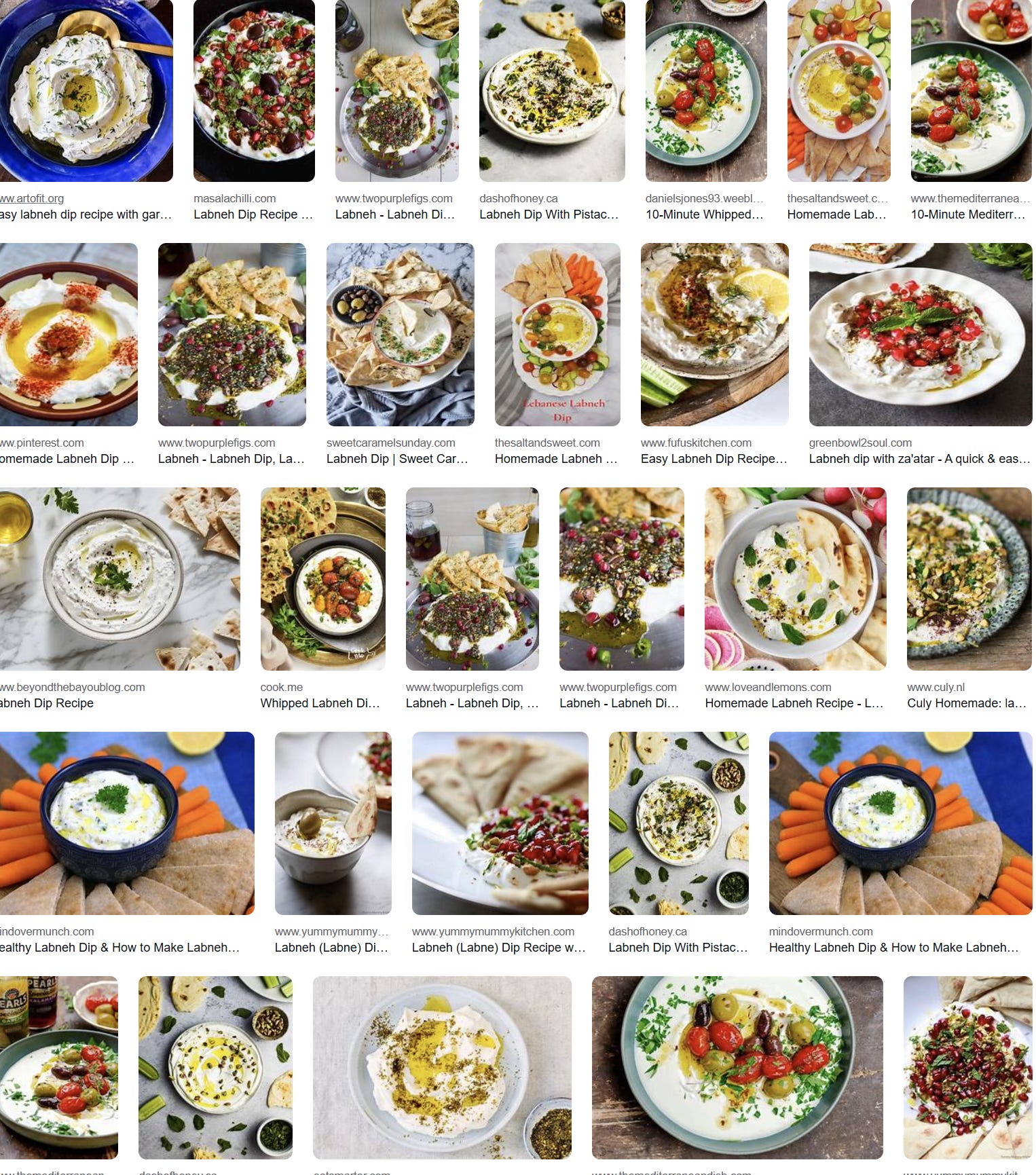
To serve, spread it out on a dish (like frosting) and top with chopped olives, fresh herbs, Zatar, sumac, crunch salt, pepper, olive oil, diced tomatoes (fresh or blistered), nuts or seeds….. Basically, anything you want! It makes an impressive dip for a party, or you can make a single serving for breakfast or lunch.
Other bits of comfort
I have moved to full summer vibes and ditched the bra in exchange for women’s undershirts (camis) - best decision ever.
I’ve moved the microwave into my room so I can heat rice bags for my head and neck at night. It feels like a trashy luxury.
Watching the Goonies, thanks to Jenn Fischer for reminding me that it is the 40th anniversary.
Bought bubbles to use in breathing and meditation exercises.
In suburban nature news, two raccoons kept me up in a chittering fight the other night, a chipmunk keeps following me around the yard and eating my sunflowers (I’ve sprinkled cayenne around and hung lots of moving and sparkling things). I will share most of my bounty, but really want to grow sunflowers.
What are you doing to create comfort this summer?
Wednesday is another Word Church with prompts and readings. Consider joining if you want to nurture your creative side this summer (and beyond). For the long timers on the list, Wednesday's emails are similar to Journal Jam or Dream Lab, but new and focused on YOU, although much can be shared or impactful in parenting.
I knew the already from taking classes with you, but what a gifted, creative, generous teacher you are! Your students are so lucky.
I love this idea of windows and mirrors. And I’m thinking about it now in terms of writing my own book. Been thinking A LOT in the past year about what life is like for younger parents—listening, reading taking notes—so I have something worthwhile and relevant to offer. And to learn from them too, as you do with your students.
I’m thinking that the way we learned with our own kids set us up to make this windows/mirrors approach attractive. My kids definitely taught me to pay attention and learn from them!
I loved this, Amy!
Patricia - yes! homeschooling/unschooling was pivotal in my development as a curious thinker. My current students like this metaphor bc it is clear and makes sense. and we refer back to it all semester. And the thing I like is that we don't attach judgment to it. There are times when we read/watch more windows than mirrors and vice versa. The key is just to pay attention. If something makes you feel weird or if you immediately don't want to engage, we just just say, "oh! A window!" and get curious.
I wonder what it would be like to homeschool today? I wonder what young parents know that we did not know (they certainly have more resources). And I wonder what we can offer as veterans. I know your writing workshop model and book were a huge part of our journey. As much as I love technology, I try to create classes or spaces where we have an analog vibe, which I think is missing from most of our lives.