
reading strats for the busy
finding the time to read

I struggle to read beyond what I read for teaching prep, which luckily covers a lot of my interest territory. But I would also love to read outside my immediate interests in ways that seed future projects. Or, I would even like to read for enjoyment (said in an exasperated, slightly sarcastic tone).
I have a few strategies that have worked for me over the summer and into fall.
*Read with an online book club.
I love the guidance and low risk of online book clubs. The breakdown of the book, reasonable goals and due dates, and often light weekly guidance and a final meeting are just the level of involvement I can commit to. I specifically like A Public Space’s program, APS Together. I just read Excellent Women by Barbara Pym, and it was, well, excellent. If you like post-WWII England, domestic life, Call the Midwife, and women who do what they want, this is a great read. Their archives are filled with all the earlier sections, so you can create a solo read-along. Also, Garth Greenwell has a book club I would like to try this fall. Lindsay Merbaum runs a book club that is worth joining just for the extensive syllabus. And another substack newsletter, Closely Reading, is currently leading a read-through of The Custom of the Country by Edith Wharton, which I joined.
*Break up the book into chunks and create a (loose) schedule.
This is the key to what works so well in online book clubs. Luckily, you can apply to any book of your choice (I just did it with Duras’ The Lover, which I am reading at breakfast this week). Unless I am on holiday and just breezing through poolside novels with no pressing obligations (which, let’s be honest, is not my reality), this method is something I do with each book I am reading. Just mark stopping points for what you might reasonably read at breakfast or lunch (or whenever you have a 30-minute block). I use Post-It tabs to stay focused. Of course, if you are pulled into a book and read faster, all the better. That just happened with me as I tore through Tolstoy’s Death of Ivan Illych in two mornings.
*Choose short books.
For my personal syllabus this fall, I curated a stack of novels, plays, and other short works that I can finish in a week of short reading sprints that give me a sense of accomplishment and keep me committed.
*Use a ruler, write in the book, take notes, and develop YOUR method for active reading.
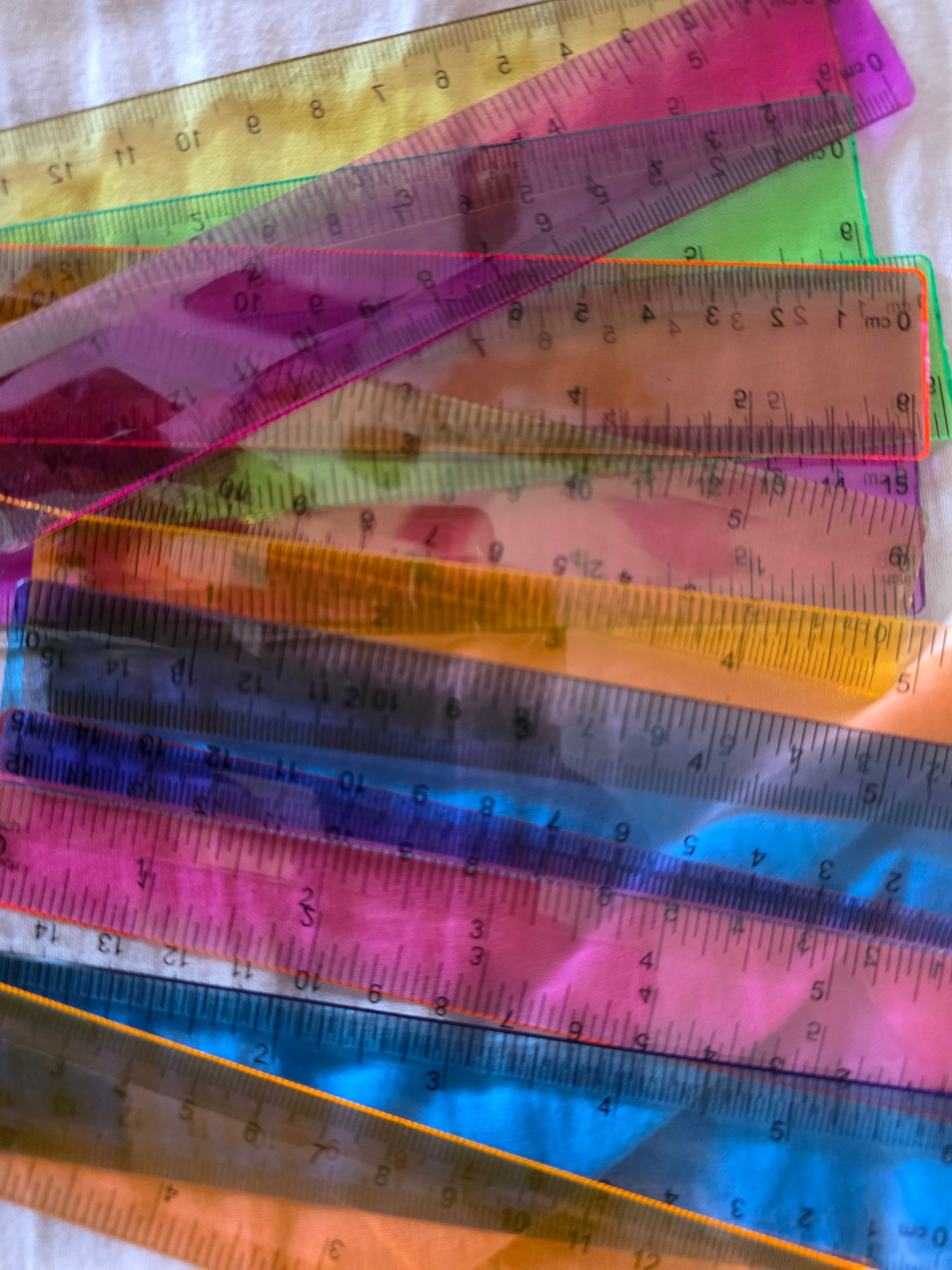
Closely Reading recommends using a 6-inch ruler while reading, and I have found that helpful (so much so, I gave my Intro to Comp students their own rulers and an introduction to the method). You can use the ruler to stay focused, mark with neat lines, and use it as a bookmark.
Besides that, a reading journal is a helpful tool to take notes in.
For novels, you might write a list of characters, the themes you see emerging, particularly compelling writing, a lexicon of the text, and your reflections.
For nonfiction, the notes might be more content-based but are just as useful. I usually mark up the book and every few pages jot whatever I want to remember (writing by hand helps with memory) or passages I can use in teaching.
*Shut the book if it’s not hitting.
Be willing to stop a book if you are done or have gotten what you needed from it. Life is short. Trust your intuition to decide whether the book is challenging and you feel like you should muster your strength to power through, or if it has worn out its cognitive welcome.
Let’s read together.
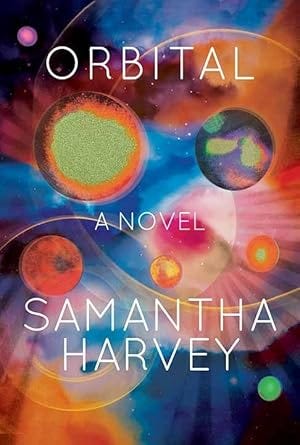
All this leads me to share that I am hosting my own slow reading book club! It is open to all, and we will read the book Orbital by Samantha Harvey. This is a short book, but I am going to stretch it out over 10 weeks because the writing is so rich it feels like poetry. There is no benefit to reading this quickly (imo).
Also, I taught it this way to my creative writing students, and thought it worked well as it formed a slow-moving, poetic background to everything else we were reading.
If you are interested, grab a copy of the book. I will post the schedule next week. Each week, I will check in, share a few notes, and offer some journal questions/creative prompts to go along with the reading. I would love it if you left a comment or let me know if you will participate!
In other news around here:
We rewatched the series Chernobyl on HBO, and wow. It is devastating, but on this viewing, I felt an uncomfortable twinge of recognition as the Soviet government worked hard to discredit the nuclear scientists and relied on power and hubris at the expense of truth and the public good. Sound familiar?
What is the cost of lies? It's not that we'll mistake them for the truth. The real danger is that if we hear enough lies, then we no longer recognize the truth at all. What can we do then? What else is left to abandon even the hope of truth and content ourselves instead with stories? In these stories, it doesn't matter who the heroes are. All we want to know is: "Who is to blame?" -Valery Legasov Chernobyl
I finished reading My Antonia by Willa Cather with a private tutoring student. I love that book so much. I read it in high school and did not get it at all (I think my brain was not healthy in high school for some reason). Maybe it will be our next slow read. Let me know if you are interested!
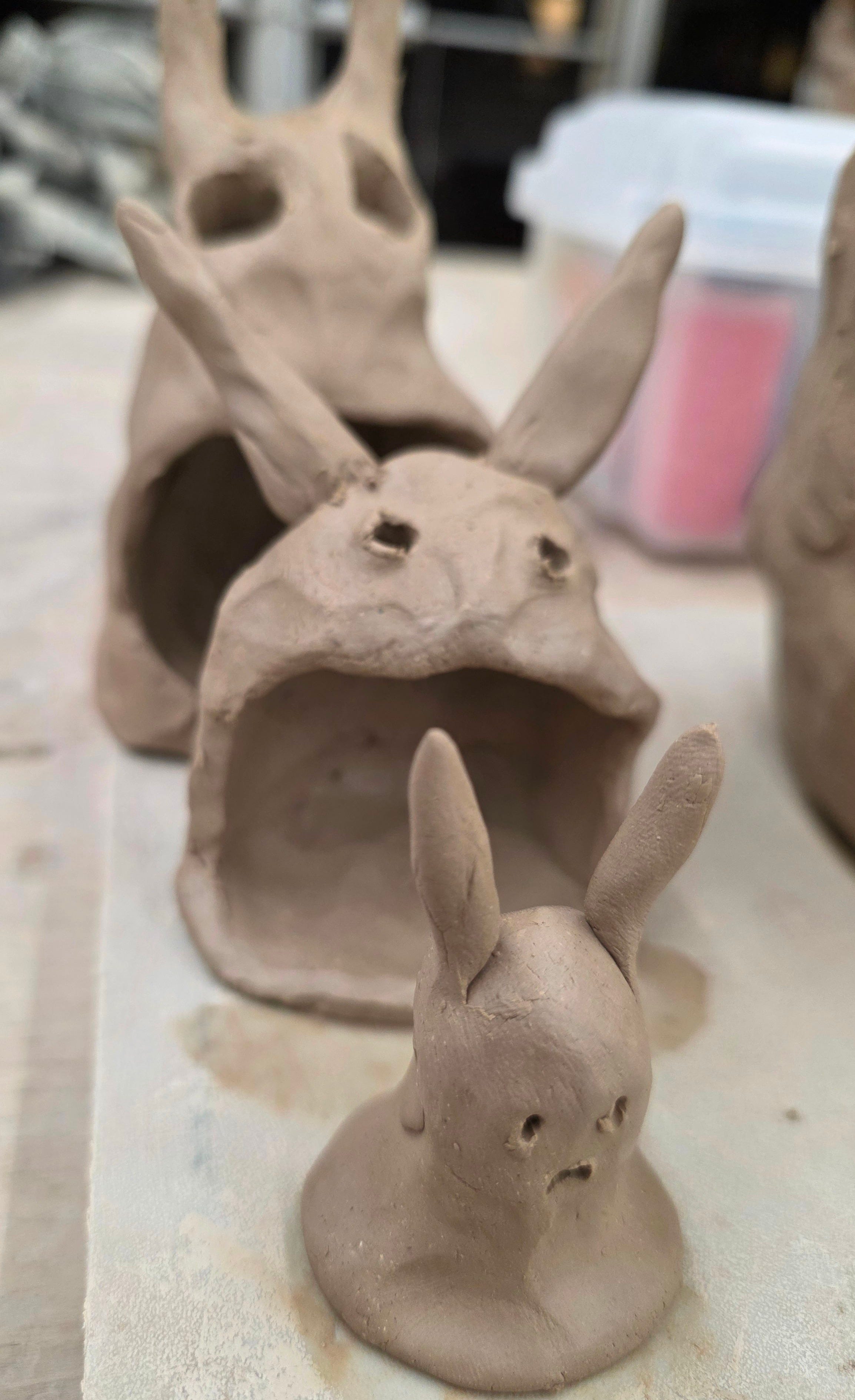
Pottery started back up. It is pure therapy for me. I am zero interested in developing skill and precision on the wheel. I am making mythical bowls and monsters - the kinds of things I would have loved making as a kid, but was not allowed or did not have access to. Literally, I am channeling my 11-year-old self, but with the money to fire whoever I want to fire. It’s fucking brilliant.

And lastly, my parents sent me my suspension papers from when I was involved in a school walkout in 10th grade. I want a t-shirt with this statement. I need more of this energy now.
Wednesday is the lab portion of this newsletter. Join and receive creative prompts for defiant living! :)
I’m a long time fan and have followed you since you were Mama Scout. The book club is the perfect way to engage. I just placed a hold on the book. Thank you!
I read a lot and this is how I do it. I often read a non-fiction or poetry book in the morning after morning pages (sometimes 2 morning books). I usually have at least 1 or 2 fiction reads (easier ones) that are e-books so that I have a book readily available for unexpected wait times when I'm out running errands or shuttling kiddos.
I typically have an evening read as well (bedtime read), which is also usually fiction. And I'm trying to integrate essay reading time into my workday.